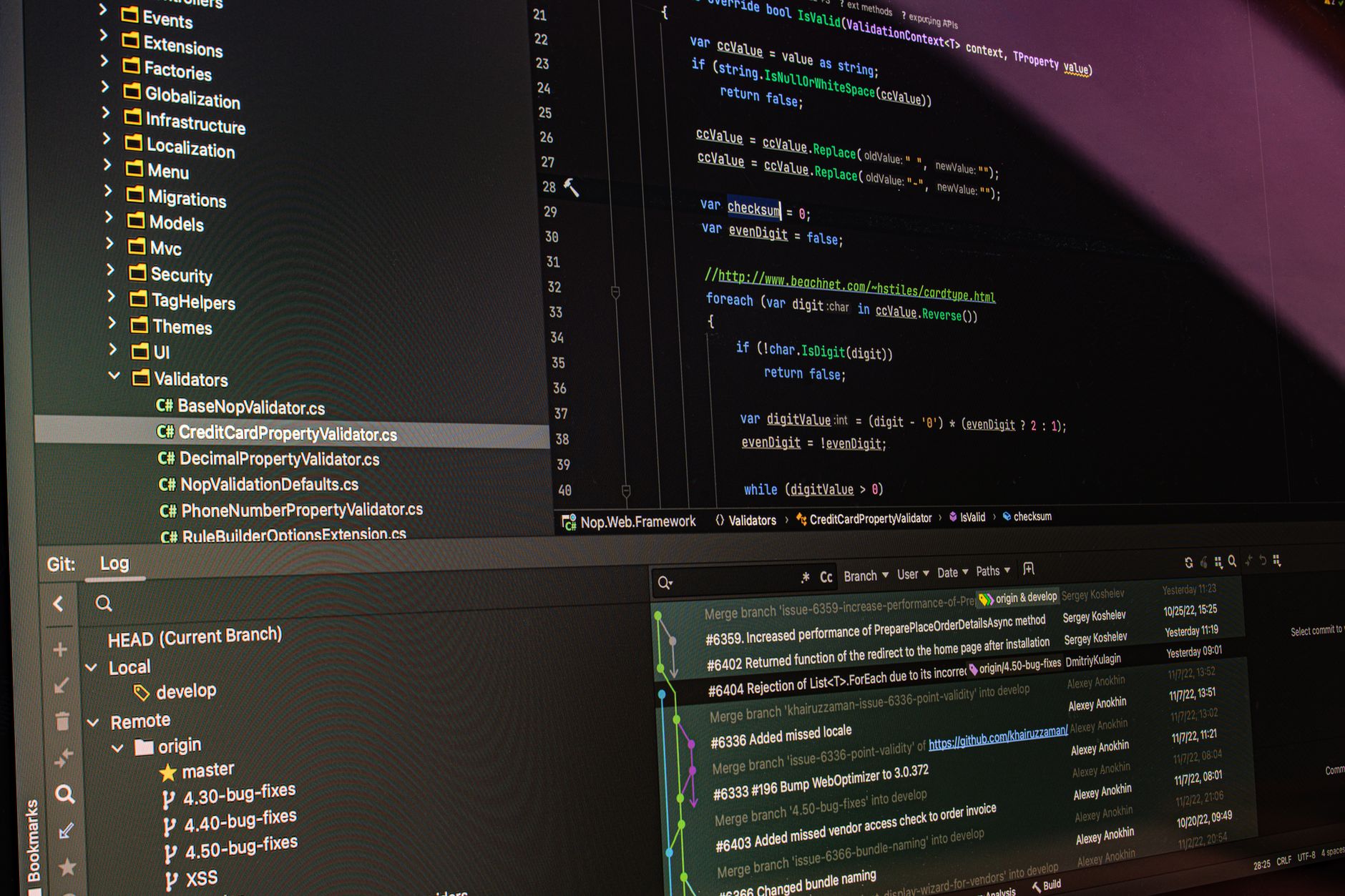
The open-source agent framework is revolutionizing AI development. AWS has released Strands, a powerful new tool that promises to streamline the integration of AI models.
What is AWS Strands?
AWS Strands is a groundbreaking open-source agent framework that aims to revolutionize the way developers create and manage AI agents. By providing a robust set of tools and libraries, AWS Strands enables users to design intelligent agents capable of performing a wide array of tasks autonomously. This innovative framework leverages the power of cloud computing, allowing developers to scale their applications seamlessly.
With AWS Strands, users benefit from a range of features, including:
- Modularity: Developers can easily integrate various components to customize their AI agents according to specific requirements.
- Scalability: The framework is designed to support applications of any size, from small prototypes to large-scale deployments.
- Community Support: Being open-source, AWS Strands has garnered a vibrant community that contributes to its continuous improvement and offers assistance to newcomers.
- Interoperability: The framework is compatible with various programming languages and platforms, facilitating broader adoption across different technological ecosystems.
As organizations increasingly turn to AI-driven solutions, the introduction of AWS Strands as an open-source agent framework promises to provide developers with the tools they need to innovate and enhance their applications effectively.
Benefits of Using Open-source Frameworks
The adoption of open-source agent frameworks offers several significant advantages for developers and organizations alike. These frameworks enable users to leverage collaborative efforts from a global community, often leading to more robust and innovative solutions.
One of the primary benefits of using open-source frameworks is cost-effectiveness. Organizations can reduce expenses associated with licensing fees, allowing them to allocate resources to other critical areas of development. Additionally, the flexibility offered by these frameworks allows for easy customization to meet specific business needs.
Moreover, open-source projects foster community engagement. Developers can contribute to the framework’s improvement, share insights, and collaborate on problem-solving, which often accelerates the pace of innovation. This community-driven approach ensures that the framework is continuously updated with the latest features and security patches.
Another significant advantage is the availability of extensive documentation and support. Many open-source frameworks come with comprehensive resources, including tutorials, forums, and detailed guides that assist users in navigating complex challenges. This wealth of information enhances learning opportunities and promotes a smoother development process.
In summary, using an open-source agent framework not only empowers organizations with cost savings and flexibility but also cultivates a thriving community that drives continuous improvement and innovation.
How AWS Strands Enhances AI Models
AWS Strands significantly enhances AI models by providing a robust open-source agent framework designed for flexibility and adaptability. This framework enables developers to seamlessly integrate various AI capabilities into their applications, allowing for more efficient and effective solutions.
One of the standout features of AWS Strands is its modular architecture. This design allows developers to customize and extend the functionality of the framework according to their specific project needs. With its comprehensive library of pre-built agents, users can quickly implement complex AI behaviors without starting from scratch.
Additionally, AWS Strands supports advanced data processing techniques that are essential for training high-performing AI models. By leveraging the power of cloud computing, it can handle large datasets with ease, ensuring that AI systems are both scalable and efficient.
Moreover, the framework fosters collaboration among developers through its open-source nature. By allowing users to contribute to the codebase, AWS Strands encourages innovation and the rapid evolution of AI technologies. This collaborative approach not only enhances the framework but also ensures that it remains relevant in a fast-changing landscape.
In conclusion, AWS Strands stands out as a powerful tool in the realm of AI development, providing a flexible open-source agent framework that empowers developers to create cutting-edge solutions.
Getting Started with Strands
Getting started with Strands can be an exciting journey for developers looking to leverage an open-source agent framework for AI applications. Strands is designed to provide a flexible and modular approach to building intelligent systems, allowing users to customize their agents based on specific needs.
To begin, it is essential to set up your development environment. First, ensure that you have the necessary dependencies installed, such as Python and relevant libraries. Once your environment is ready, you can download Strands from its official repository and explore the provided documentation.
Next, familiarize yourself with the framework’s core components. Strands includes:
- Agent API: A set of tools that simplify the creation and management of agents.
- Modular Design: Flexibility to integrate various AI models and algorithms.
- Community Support: Access to a growing community of developers for assistance and collaboration.
As you delve deeper, consider experimenting with sample projects provided within the framework. These examples showcase the capabilities of the open-source agent framework and can serve as a foundation for building your own innovative AI solutions.
Real-world Applications of Strands
The real-world applications of the open-source agent framework, Strands, are numerous and diverse, showcasing its versatility across various industries.
One notable application is in the field of robotics, where Strands enables autonomous navigation and task execution in dynamic environments. Robots powered by this framework can interact seamlessly with humans and adapt to changing conditions, making them invaluable in settings such as warehouses and factories.
Another significant use case is in smart cities. By utilizing the open-source agent framework, municipal authorities can optimize traffic flow and improve public transportation systems. The framework allows for real-time data analysis and decision-making, resulting in more efficient urban management.
Additionally, Strands has found applications in healthcare, where it aids in patient monitoring and management systems. By integrating AI models with the framework, healthcare providers can offer personalized care and improve patient outcomes.
Furthermore, Strands supports collaborative AI systems that can learn from each other, enhancing the capability of various applications, from customer service bots to educational tools. These examples illustrate the profound impact of the open-source agent framework, making it a crucial component in the advancement of AI technologies.
Comparing Open-source Frameworks
When evaluating the landscape of open-source agent frameworks, several options stand out as leaders in the field. Each framework comes with its own set of features and capabilities, catering to different needs and use cases. Below are some of the most prominent frameworks available today:
- Apache MXNet: Known for its scalability and efficiency, MXNet supports both deep learning and traditional machine learning algorithms, making it versatile for various applications.
- TensorFlow: Developed by Google, TensorFlow offers extensive libraries and tools for building and deploying machine learning models. Its large community ensures continuous improvements and support.
- PyTorch: Favored by researchers and developers alike, PyTorch provides a dynamic computation graph and intuitive API, making it easy to experiment with new ideas.
- OpenAI Gym: This framework is specifically designed for developing and comparing reinforcement learning agents. It offers a variety of environments to test agent performance.
Choosing the right open-source agent framework depends on your specific project requirements, such as performance, ease of use, and community support. Analyzing these factors will help you make an informed decision for your AI initiatives.
Community Support for Strands
The introduction of the open-source agent framework known as Strands has garnered significant interest within the developer community. One of the standout features of Strands is its strong community support, which plays a crucial role in its ongoing development and improvement.
Users can access a wealth of resources, including:
- Documentation: Comprehensive guides and tutorials that simplify the learning curve associated with implementing Strands.
- Forums: Active discussion boards where users can ask questions, share experiences, and troubleshoot issues with fellow developers.
- Contributions: The open-source nature allows developers to contribute code, enhancing the framework and fostering a collaborative environment.
- Updates: Regular updates from the community ensure that the framework remains up-to-date with the latest advancements and best practices in AI.
This community-driven approach not only cultivates a supportive atmosphere but also encourages innovation, making Strands a prime choice for those looking to leverage an open-source agent framework for AI projects. As more developers engage with Strands, the potential for groundbreaking applications continues to expand, solidifying its position in the rapidly evolving landscape of artificial intelligence.
Future of AI with Open-source Tools
The future of artificial intelligence (AI) is increasingly intertwined with the development and utilization of open-source agent frameworks. As organizations and developers continue to seek innovative solutions, these frameworks provide robust platforms for creating adaptable and efficient AI models.
Open-source frameworks, such as AWS Strands, allow for collaborative development and rapid iteration, enabling teams to share resources and knowledge. This fosters a vibrant ecosystem where new ideas can thrive, leading to the creation of cutting-edge tools and applications that push the boundaries of what AI can achieve.
Moreover, the transparency inherent in open-source projects enhances trust and reliability. Users can inspect the code, contribute to improvements, and ensure that the technology aligns with their specific needs. As a result, organizations can customize solutions that not only improve efficiency but also drive innovation in various sectors.
Looking ahead, it is clear that the ongoing advancements in open-source tools will play a crucial role in shaping the landscape of AI. The collaborative nature of these frameworks is likely to lead to increased accessibility and democratization of AI technologies, allowing more people to harness the power of AI for diverse applications.
One of the key advantages of using an open-source agent framework is the flexibility it offers developers to customize and enhance their AI solutions. Additionally, the community support surrounding an open-source agent framework often leads to rapid innovation and improvement in the tools available.
Photo by Daniil Komov on Pexels