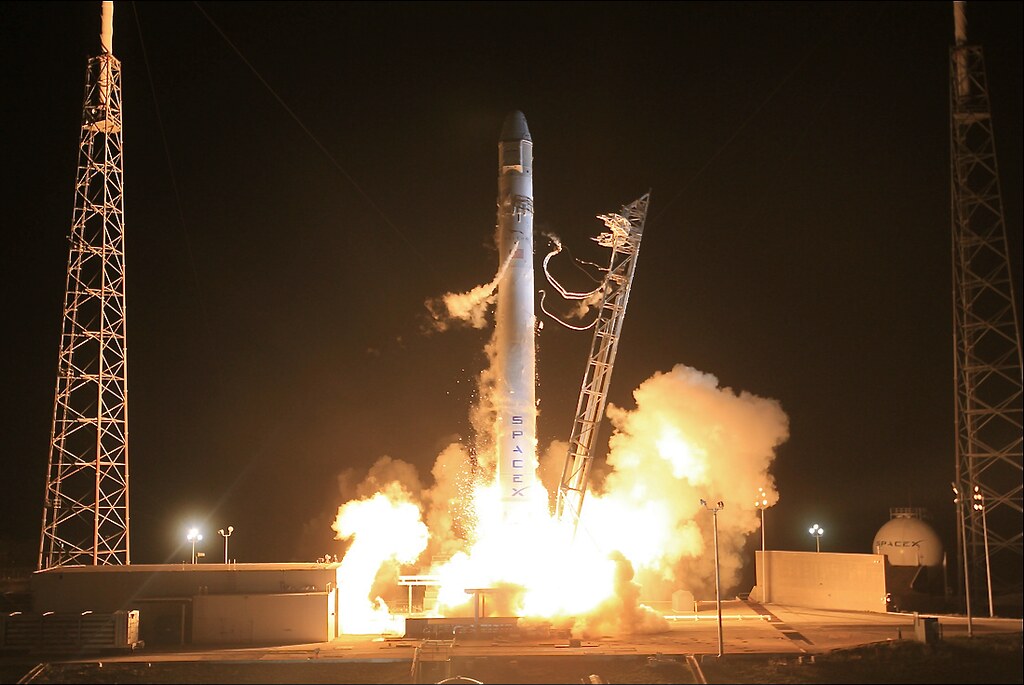
SpaceX Space Force mission has successfully launched from California, marking a significant milestone in military space operations and technological advancements.
Overview of the SpaceX Space Force mission
The recent launch by SpaceX marked a significant milestone in the partnership between the private aerospace company and the U.S. Space Force. This mission, aimed at enhancing national security capabilities, demonstrates SpaceX’s growing role in military space operations. The successful deployment of the payload from California’s Vandenberg Space Force Base further solidifies the reliability of SpaceX’s launch systems.
As part of the mission, SpaceX utilized its Falcon 9 rocket, which has proven its effectiveness through numerous previous launches. The vehicle’s ability to deliver payloads into various orbits makes it an essential asset for the U.S. Space Force’s objectives. This particular mission was shrouded in secrecy, typical of many Space Force operations, yet it underscores the importance of advanced technology in safeguarding national interests.
The payload carried by the Falcon 9 is believed to include experimental equipment designed to enhance the United States’ surveillance and communication capabilities in space. Such advancements are crucial as the U.S. continues to navigate the complexities of modern warfare, where space plays an increasingly critical role. Overall, the SpaceX Space Force mission exemplifies the synergy between commercial spaceflight and military requirements, marking a new era in defense operations.
Importance of military space initiatives
The significance of military space initiatives has grown exponentially in recent years, particularly with the increasing reliance on satellite technology for national security. These initiatives not only enhance defense capabilities but also ensure that nations remain competitive in the evolving landscape of space exploration and utilization.
Key reasons for the importance of military space initiatives include:
- National Security: Military operations increasingly depend on satellites for communication, navigation, and surveillance, making their security paramount.
- Technological Advancement: Initiatives drive innovation, leading to the development of cutting-edge technologies that can be applied in both military and civilian sectors.
- Global Competition: As countries like China and Russia ramp up their military space programs, the U.S. must maintain a robust presence to deter potential threats.
- Collaboration Opportunities: Partnerships between private companies, such as SpaceX, and government agencies like the Space Force foster advancements that benefit all stakeholders.
The recent SpaceX Space Force mission exemplifies these initiatives in action, showcasing the effective collaboration between the private sector and military to further U.S. interests in space. This mission underlines the critical role of such partnerships in enhancing the capabilities needed for national defense and security.
Technological advancements in space launches
The recent SpaceX Space Force mission has showcased remarkable technological advancements in space launches, highlighting the increasing sophistication of aerospace capabilities. These innovations are not only pivotal for commercial space travel but also for national security and military operations.
One of the significant advancements is the development of reusable rocket technology. SpaceX has successfully demonstrated this capability, allowing for multiple launches with the same hardware. This not only reduces costs but also increases launch frequency, which is crucial for the U.S. Space Force’s operational readiness.
Additionally, improvements in satellite technology have enhanced communication, surveillance, and reconnaissance capabilities. The integration of advanced sensors and artificial intelligence in satellites allows for real-time data processing, providing the military with critical information as missions unfold.
The SpaceX Space Force mission also benefits from advancements in launch systems, including more reliable propulsion technologies and enhanced ground support systems. These innovations ensure that missions are executed efficiently and safely, minimizing the risk of failure.
Moreover, collaborative efforts between government and private sectors have accelerated the pace of these advancements, fostering an environment of innovation essential for future military space initiatives.
As the landscape of space exploration continues to evolve, the role of companies like SpaceX remains integral to maintaining a competitive edge in space capabilities.
Future implications for SpaceX and Space Force
The recent success of the SpaceX Space Force mission has opened up new avenues for collaboration between public and private sectors in the realm of space exploration. As both organizations continue to innovate, the implications for future missions are significant.
One major takeaway from this mission is the potential for enhanced national security. By leveraging SpaceX’s advanced launch capabilities, the Space Force can more rapidly deploy satellites and other critical assets into orbit. This agility is crucial in a rapidly evolving geopolitical landscape where space dominance is increasingly important.
Moreover, the partnership suggests a shift towards a more integrated approach to space operations. The SpaceX Space Force mission demonstrated that commercial entities can effectively fulfill government contracts, leading to cost savings and efficiency improvements. This trend may encourage other private companies to enter the defense space sector, fostering competition and innovation.
Furthermore, as SpaceX continues to develop reusable rocket technology, the cost of launching payloads is likely to decrease significantly. This reduction could enable the Space Force to undertake more ambitious projects and expand its operational capabilities.
Ultimately, the successful launch not only marks a milestone for SpaceX and the Space Force but also sets the stage for a new era of collaboration that could redefine how military and commercial entities operate in space.
The recent achievements of the SpaceX Space Force mission highlight the company’s growing capabilities in the realm of national security. As the SpaceX Space Force mission continues to evolve, it paves the way for future advancements in space exploration and defense technology.
By jurvetson via Openverse