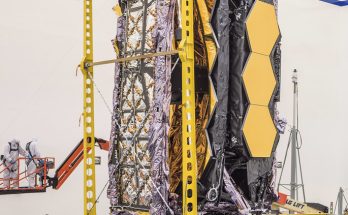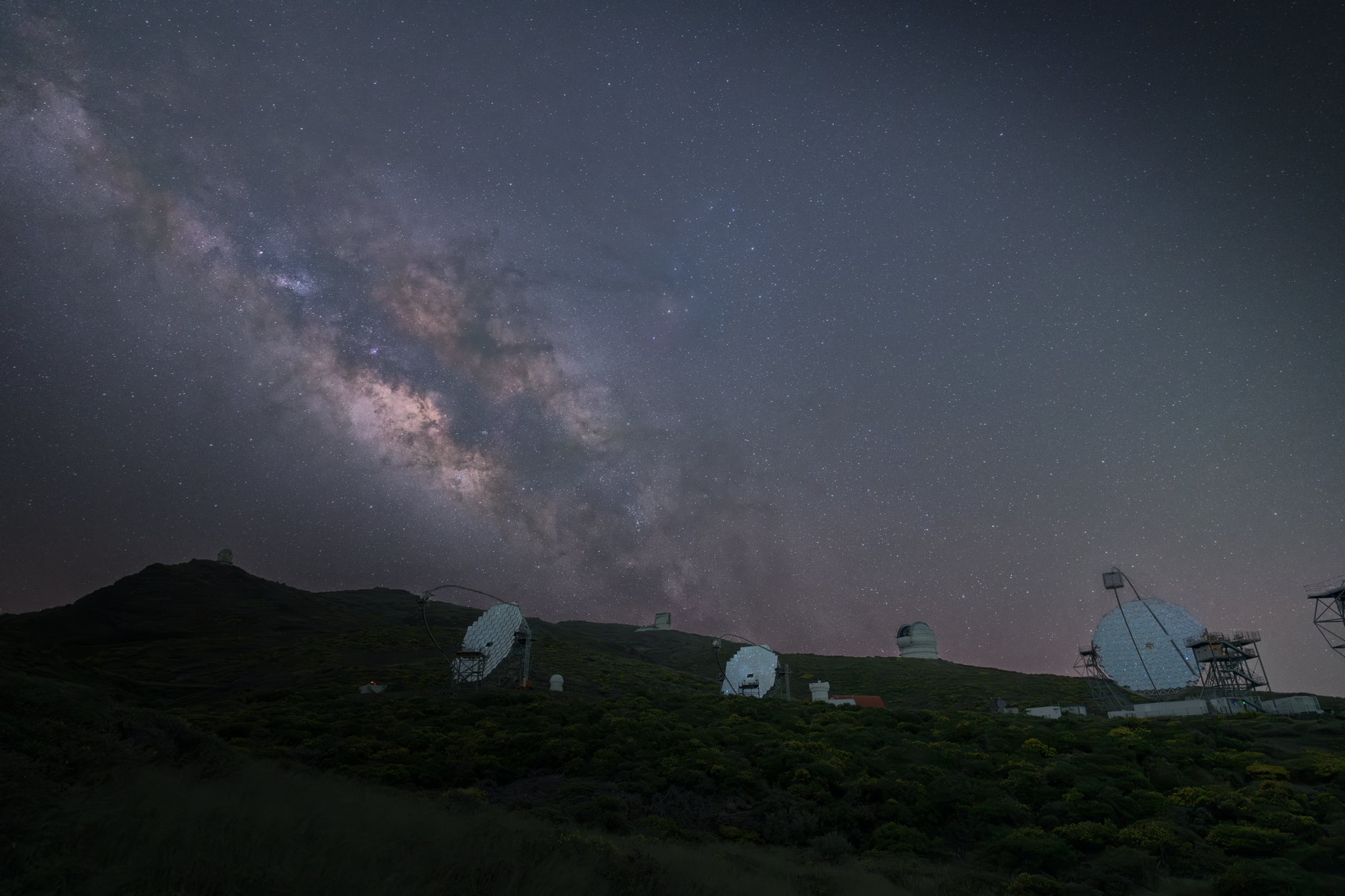
The Swift Space Observatory has fallen back to Earth, marking a significant event in NASA’s space exploration efforts. This incident raises questions about the mission’s technology and future implications for similar projects.
What is the Swift Space Observatory?
The Swift Space Observatory was launched by NASA in 2004 with the primary mission of studying the universe’s most energetic phenomena, including gamma-ray bursts and supernovae. Designed to observe and analyze cosmic events in real-time, it played a critical role in enhancing our understanding of high-energy astrophysics.
Equipped with a unique combination of instruments, the observatory could capture images in various wavelengths, allowing researchers to gain insights into the behavior of celestial objects. Its swift response time to transient astronomical events set it apart from other telescopes, making it a valuable tool for scientists worldwide.
Throughout its operational life, the Swift Space Observatory contributed to numerous groundbreaking discoveries, including the identification of new gamma-ray burst sources and the monitoring of changing cosmic phenomena. The mission also aimed to explore the origins and evolution of the universe, providing a wealth of data that has been studied and analyzed over the years.
Despite its successes, recent reports indicate that the observatory has encountered significant technical issues, leading to its eventual descent back to Earth. This unexpected turn of events raises concerns about the future of similar missions and the challenges faced in maintaining such complex instruments in space.
Timeline of the Swift Space Observatory’s Mission
The Swift Space Observatory, launched in November 2004, was designed to observe gamma-ray bursts and other cosmic phenomena. Over its nearly two-decade mission, the observatory provided invaluable data, significantly advancing our understanding of the universe.
Here is a timeline highlighting key events in the Swift Space Observatory’s mission:
- November 20, 2004: The Swift Space Observatory is launched aboard a Delta II rocket from Cape Canaveral, Florida.
- January 2005: The observatory begins its science operations, capturing its first gamma-ray burst.
- September 2011: Swift celebrates its 7th anniversary, having observed over 1,000 gamma-ray bursts.
- March 2016: NASA announces that the Swift Space Observatory has significantly exceeded its expected operational lifetime.
- June 2020: A series of technical malfunctions begin to affect the observatory’s performance, leading to concerns about its future.
- October 2023: Reports confirm that the Swift Space Observatory has fallen back to Earth, marking the end of its historic mission.
The timeline illustrates the remarkable achievements of the Swift Space Observatory and the challenges it faced as it approached the conclusion of its operations.
What Went Wrong with the Swift Space Observatory?
The Swift Space Observatory, designed to detect and study gamma-ray bursts and other cosmic phenomena, has encountered significant setbacks that have raised concerns among scientists and the public alike. Initially launched in 2004, the mission aimed to revolutionize our understanding of the universe, but recent events have cast a shadow over its achievements.
One of the primary issues arose from technical malfunctions that hindered the observatory’s ability to function optimally. The observatory experienced a critical system failure that led to a temporary loss of communication with mission control. This disruption not only delayed data collection but also left researchers without access to crucial observations of celestial events.
Furthermore, a series of software glitches compounded the problems faced by the Swift Space Observatory. These glitches resulted in erroneous data transmissions, misinterpreting vital information about ongoing cosmic occurrences. Scientists found themselves grappling with the challenge of filtering out inaccuracies to ensure reliable analysis.
Despite these hurdles, the team behind the Swift Space Observatory remains committed to troubleshooting and restoring its capabilities. They are working diligently to implement solutions that could help recover lost functionality and continue the mission’s goals of exploring the mysteries of the universe.
Future of NASA’s Space Missions
The future of NASA’s space missions may be shaped by the lessons learned from the Swift Space Observatory’s recent challenges. As scientists and engineers analyze the mission’s failures, they are eager to apply these insights to upcoming projects, ensuring greater success.
NASA has a robust plan for its next generation of space observatories, focusing on enhancing technology and increasing resilience against unforeseen issues. Key areas of improvement include:
- Advanced Monitoring Systems: Future missions will implement more sophisticated monitoring systems to track spacecraft health and performance in real-time.
- Redundancy Protocols: Enhanced redundancy protocols will be established to ensure that critical systems have backups in place, reducing the likelihood of complete mission failure.
- Collaboration with International Partners: NASA plans to collaborate more closely with international space agencies to share knowledge and resources, further boosting mission reliability.
Despite the setbacks experienced with the Swift Space Observatory, NASA remains committed to pushing the boundaries of space exploration. The agency is focused on building a new generation of observatories that will not only advance scientific understanding but also inspire future generations of scientists and engineers.
Photo by Emilio Garcia on Pexels