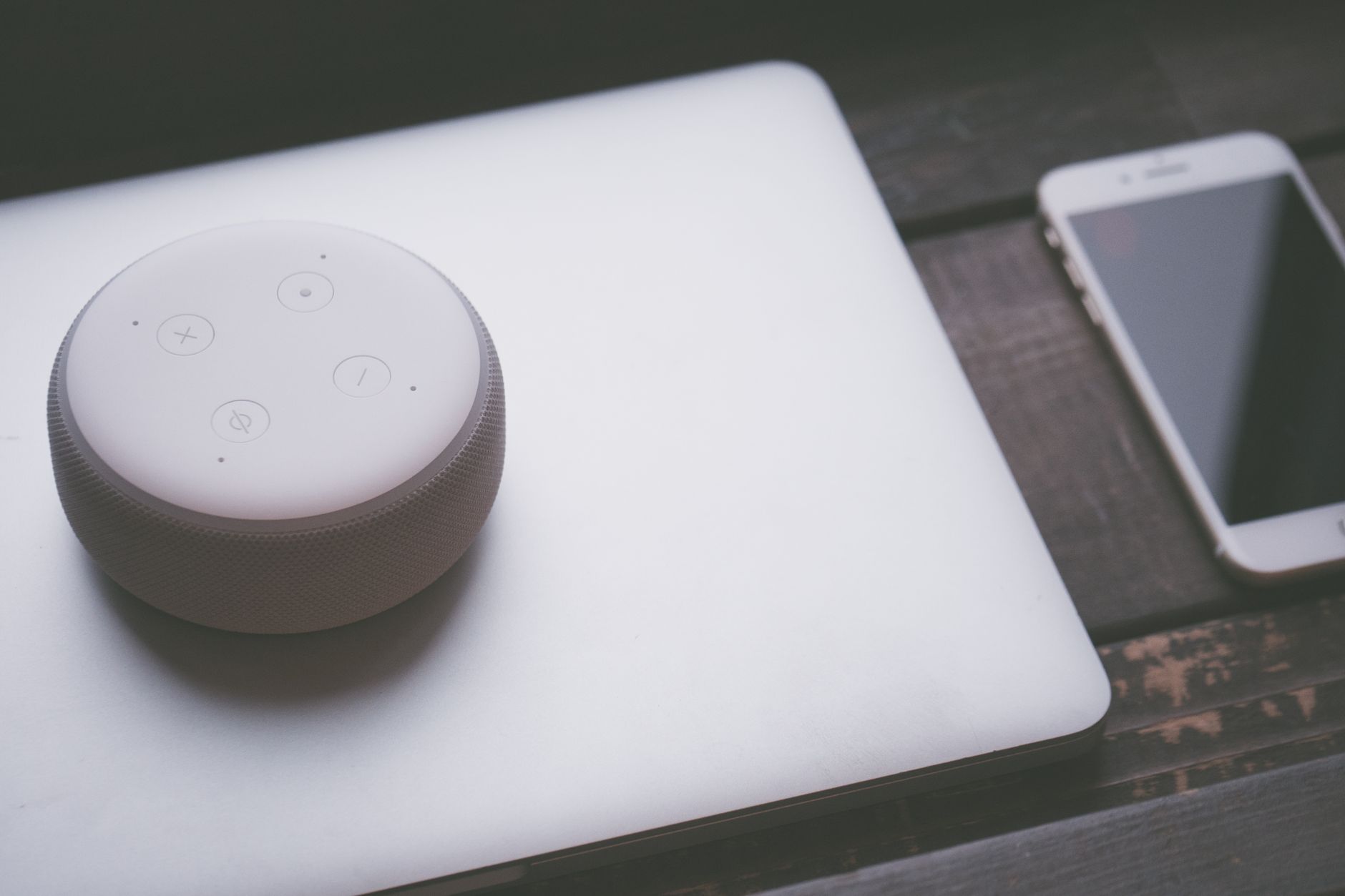
AI devices legal limits are becoming a hot topic as new technology emerges. These always-on devices may offer convenience but also pose significant risks to users’ privacy and security.
Understanding AI Devices
As technology evolves, AI devices have become increasingly integrated into daily life, offering convenience and connectivity. However, these advancements raise critical questions regarding their legal limits. Understanding the implications of using such devices is essential for users to navigate potential risks.
AI devices, which often include smart speakers, voice assistants, and home surveillance systems, are designed to be always on and always listening. This constant readiness can lead to significant privacy concerns. Users may unknowingly expose sensitive information, as these devices can record conversations and interactions without explicit consent.
Moreover, the legal framework surrounding AI devices is still developing, leading to potential gaps in user protection. Some key risks include:
- Privacy Invasion: Continuous monitoring can infringe on personal privacy, making users vulnerable to unauthorized data access.
- Data Misuse: Collected data may be used for purposes beyond the user’s intent, including targeted advertising or even surveillance.
- Accountability Issues: Confusion over legal ownership and responsibility for AI-generated data can complicate matters in cases of misuse or breaches.
As AI devices push the boundaries of technology, understanding their legal limits becomes crucial for safeguarding user rights.
The Risks of Always-On Technology
As consumers increasingly adopt AI devices that are always on and always listening, concerns about their legal limits have become more pronounced. These technologies, designed to enhance user experience, also create significant risks that can jeopardize personal privacy and security.
One major risk involves data privacy. AI devices often collect vast amounts of personal information, which can be exploited if proper safeguards are not in place. Users may unknowingly become targets for data breaches, putting sensitive information at risk.
Another concern is the potential for surveillance. With their constant monitoring capabilities, these devices can inadvertently invade users’ privacy. Conversations that individuals believe are private may be captured and stored without their consent, raising ethical and legal questions about the extent of surveillance.
Additionally, the misuse of AI devices can lead to identity theft. Hackers could exploit vulnerabilities in always-on technology to access personal accounts and gather confidential information, undermining user trust.
In light of these risks, it is crucial for users to understand the legal limits surrounding AI devices. Awareness of the implications of always-on technology can help individuals make informed decisions about their use and advocate for stronger protections in the rapidly evolving landscape of AI. This understanding is vital for safeguarding against the potential dangers posed by these innovative yet intrusive devices.
Legal Challenges for AI Devices
The rapid advancement of AI devices has raised numerous legal challenges that users must navigate. As these technologies become more integrated into daily life, questions surrounding privacy, surveillance, and liability have surfaced, placing users at risk.
One major concern is the extent to which these devices collect and store personal data. Users often overlook the legal implications of using AI devices, assuming that privacy protections are in place. However, many devices operate in a legal gray area, leading to potential breaches of privacy rights. The following points highlight key legal challenges:
- Data Ownership: Users frequently remain unaware of who owns the data collected by their AI devices. This ambiguity can lead to unauthorized use or sale of personal information.
- Surveillance Concerns: Always-on technology can lead to unintentional surveillance, not only of the user but also of those within proximity, raising ethical and legal questions.
- Accountability: In cases where AI devices malfunction or cause harm, determining liability can be complex. Users may find it difficult to hold manufacturers accountable.
As the landscape of AI devices evolves, understanding the legal limits is crucial. Users must remain informed about their rights and the potential risks associated with these technologies.
User Privacy Concerns
As AI devices become increasingly integrated into daily life, user privacy concerns are at the forefront of discussions regarding their legal limits. The ability of these devices to constantly listen and collect data raises significant questions about the protection of personal information.
Many users are unaware of the extent to which their interactions are being recorded and analyzed. This lack of awareness can lead to unintended consequences, including:
- Data Breaches: Sensitive information can be exposed if security measures fail.
- Surveillance Risks: Continuous monitoring can be exploited by malicious actors, leading to unauthorized access to private lives.
- Informed Consent: Users may not fully understand what data they are sharing or the implications of its use.
Moreover, the legal framework surrounding the use of AI devices is still evolving, leaving significant gaps in user protections. Without clear regulations, companies may prioritize profit over user privacy, potentially putting individuals at risk. As a result, the question of AI devices legal limits becomes crucial, demanding attention from lawmakers and technology developers alike.
Ultimately, users must remain vigilant and informed about the privacy risks associated with AI devices, advocating for more stringent regulations to safeguard their personal information.
The discussion surrounding AI devices legal limits is becoming increasingly critical as users face potential risks that can compromise their privacy and security. Understanding these AI devices legal limits is essential for users to navigate the complex landscape of technology and protect themselves from potential harm.
Photo by Jessica Lewis 🦋 thepaintedsquare on Pexels