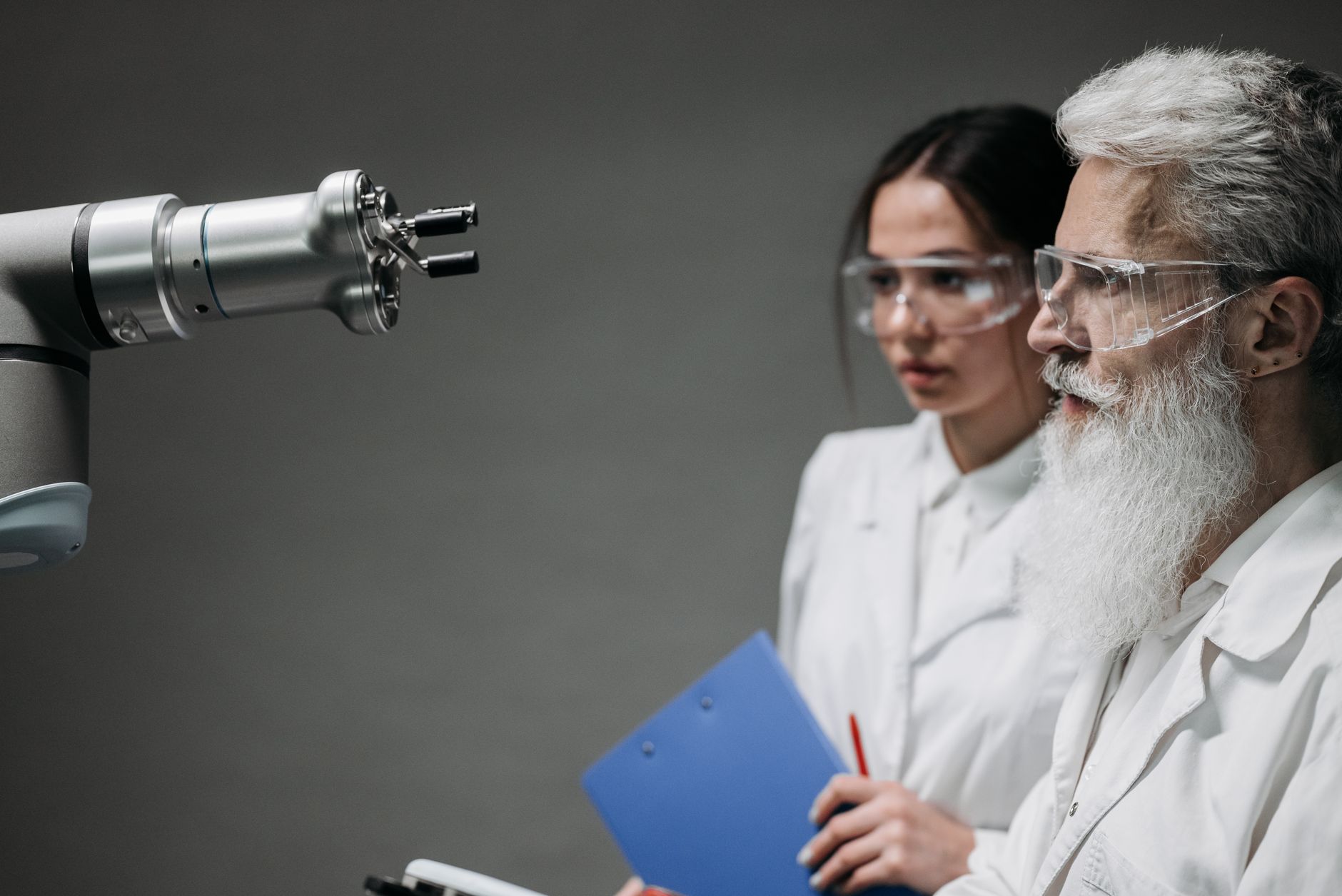
AI safety testing is essential for the development of new models, as proposed by Elon Musk. This initiative aims to enhance safety protocols for AI rivals and Chinese firms.
Understanding AI Safety Testing
AI safety testing is an essential process that ensures artificial intelligence systems operate reliably and ethically before they are deployed in real-world applications. This testing phase evaluates the models for potential risks and unintended consequences, aiming to prevent harmful outcomes.
As AI technology continues to evolve, the demand for rigorous safety assessments has become increasingly critical. Key aspects of AI safety testing include:
- Risk Assessment: Identifying possible risks associated with AI behavior, including bias, security vulnerabilities, and operational failures.
- Performance Evaluation: Assessing how well the AI performs its intended tasks under various conditions.
- Ethical Considerations: Ensuring AI systems adhere to ethical guidelines and do not perpetuate existing inequalities or create new forms of harm.
- Transparency: Providing clear documentation of the testing processes and results to stakeholders.
As highlighted by industry leaders like Elon Musk, the necessity for established safety protocols is becoming more apparent. Companies, including those in China, may soon be required to undergo extensive AI safety testing before launching new models, ensuring that advancements in technology do not come at the cost of public safety.
Elon Musk’s Proposal Explained
In a recent announcement, Elon Musk proposed a groundbreaking approach to AI safety testing aimed at enhancing the reliability of new AI models. His suggestion emphasizes the need for rigorous safety evaluations, particularly for companies competing in the AI sector.
Musk advocates for a system where AI rivals would collaborate with Chinese firms to conduct comprehensive safety assessments before any new models are released to the public. This initiative seeks to establish a standardized protocol for AI safety testing, ensuring that all entities adhere to the same rigorous criteria.
Key aspects of Musk’s proposal include:
- Collaboration: Encouraging cooperation among AI developers to share best practices and insights on safety testing methodologies.
- Regulatory Oversight: Involving governmental bodies to monitor and enforce safety testing protocols, thereby enhancing public trust in AI technologies.
- Transparency: Requiring firms to disclose their safety testing results, fostering accountability within the industry.
Musk’s vision reflects a growing recognition of the importance of AI safety testing as a critical component in the development and deployment of advanced AI systems, aiming to mitigate potential risks associated with untested technologies.
Importance of Safety in AI Models
The importance of safety in AI models cannot be overstated, especially as technology continues to advance at a rapid pace. As artificial intelligence systems become more integrated into daily life, ensuring their reliability and ethical operation is crucial. AI safety testing plays a vital role in this process, helping to identify potential risks and mitigate harmful outcomes before deployment.
One of the primary reasons for emphasizing safety in AI development is the potential for unintended consequences. Without rigorous testing, AI systems may produce results that are biased, inaccurate, or even dangerous. This concern has led many experts to call for standardized safety protocols that all developers should follow.
Moreover, public trust in AI technology hinges on the perception of its safety. If users believe that AI models are not adequately tested, they may be reluctant to embrace new innovations. Therefore, implementing robust safety testing can enhance user confidence and pave the way for broader acceptance.
In addition to fostering trust, safety measures can also protect companies from legal and financial repercussions. By investing in thorough AI safety testing before new model releases, organizations can avoid costly recalls and damage to their reputation.
Ultimately, prioritizing safety in AI models is essential for ensuring a responsible and beneficial integration of these technologies into society.
Chinese Firms and Compliance
As the global conversation around AI safety testing intensifies, Chinese firms are increasingly under scrutiny regarding their compliance practices. With the rapid development of artificial intelligence technologies, ensuring safety before the release of new models has become a critical issue.
Several Chinese companies have recently begun adopting more rigorous AI safety testing protocols to align with international standards. This shift is largely driven by both internal and external pressures for improved transparency and accountability in AI deployment. Key players in the tech industry are recognizing that robust safety testing is essential not only for public trust but also for their competitive advantage in the global market.
Among the notable initiatives are:
- Partnerships with international organizations: Collaborating with established entities to enhance safety testing methodologies.
- Investment in research: Allocating resources to develop new testing frameworks that specifically address unique risks associated with AI technologies.
- Regulatory compliance: Adhering to evolving government regulations aimed at ensuring the ethical use of AI.
As the landscape of AI continues to evolve, the commitment of Chinese firms to effective safety testing will be crucial in shaping the future of AI development, ensuring that innovations are not only advanced but also safe for users worldwide.
How AI Testing Works
AI safety testing is a critical process designed to ensure that new artificial intelligence models operate within safe parameters before they are released into the public domain. This process generally involves a series of evaluations and assessments that scrutinize the AI’s performance, reliability, and adherence to ethical standards.
Typically, AI testing works through the following steps:
- Initial Development Phase: In this stage, developers create the AI model with safety features integrated from the beginning.
- Simulation Testing: The AI undergoes rigorous testing in simulated environments to identify any potential risks or failures. This helps in observing how the model reacts to various scenarios that it may encounter in real-world applications.
- Bias Assessment: Ensuring that the AI operates fairly is crucial. Testing for bias involves analyzing its decisions and recommendations to ensure they do not favor one group over another.
- Compliance Checks: The AI model is evaluated against industry regulations and ethical guidelines to ensure it meets all necessary legal and societal standards.
- Feedback Loop: After initial testing, developers often incorporate feedback to refine the model further, ensuring continuous improvement.
Through these meticulous methods, AI safety testing helps prevent potential harm and fosters trust in AI technologies.
Future of AI Safety Protocols
The future of AI safety protocols is poised for significant transformation as the industry adapts to evolving challenges and advancements. With the increasing complexity of AI models, it is crucial to develop robust safety testing methods that can keep pace with these innovations. Stakeholders across the tech landscape are recognizing that effective AI safety testing is not just a regulatory hurdle but a necessary component of responsible AI development.
As companies like Elon Musk’s initiatives gain traction, several key trends are emerging in AI safety protocols:
- Collaborative Frameworks: The establishment of partnerships between tech firms, regulatory bodies, and academic institutions will ensure a comprehensive approach to safety testing.
- Standardization of Testing Methods: Developing universally accepted testing protocols will facilitate consistent evaluations across different AI models, enhancing trust in their deployment.
- Real-Time Monitoring: Implementing continuous monitoring systems will allow for proactive identification of potential safety issues, rather than reactive measures after deployment.
- Public Accountability: Increased transparency in the AI safety testing process will foster public trust and encourage responsible AI usage.
In conclusion, as AI technology rapidly evolves, the emphasis on robust AI safety testing will be integral to ensuring safe and effective applications in society.
Challenges in AI Safety Testing
The rapid advancement of artificial intelligence technologies has introduced significant challenges in AI safety testing. As models grow in complexity and capability, ensuring their reliability and ethical alignment becomes increasingly difficult. Key challenges include:
- Dynamic Environments: AI systems often operate in evolving contexts, making it hard to predict their behavior during real-world applications. This unpredictability complicates safety testing processes.
- Lack of Standardization: There are currently no universally accepted protocols for AI safety testing. This inconsistency can lead to varying results and potentially unsafe implementations across different models.
- Resource Constraints: Comprehensive safety testing requires substantial computational resources and time. Many organizations may prioritize speed to market over thorough testing, which can compromise safety.
- Human Factors: The interaction between AI systems and users poses additional risks. Misinterpretations or misuse of AI outputs can lead to unintended consequences, complicating the assessment of safety.
Addressing these challenges is critical for the future of AI safety testing. As industry leaders like Elon Musk advocate for rigorous testing before new model releases, the need for effective solutions becomes more pressing. Implementing structured methodologies can help mitigate risks and enhance trust in AI technologies.
Photo by Pavel Danilyuk on Pexels
Sources
Related reading
Lollipop Chainsaw 2: The Best Gameplay Details Revealed · Dragon Slayer Ports: The Best Proven Upgrades for Modern Consoles · NEET PG 2026 answer key: Quick updates on release date