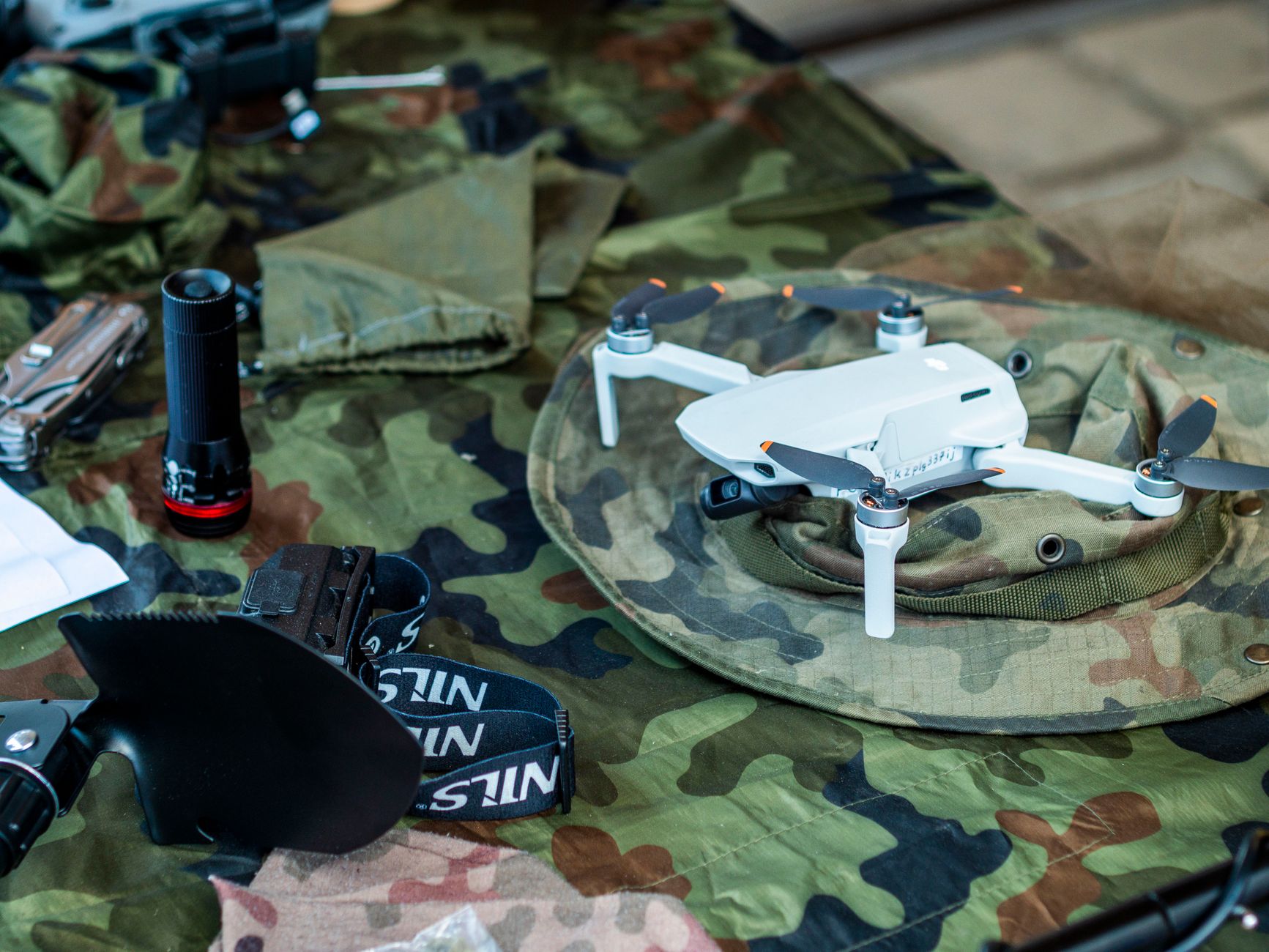
Military drones funding is on the rise, as evidenced by SE3’s recent achievement of securing $30 million in Series A funding to advance their spatial intelligence solutions.
Overview of SE3’s Funding
SE3, a German startup focused on developing advanced spatial intelligence for military drones, has successfully secured $30 million in Series A funding. This significant investment marks a pivotal step in the company’s mission to enhance the capabilities of military drones through innovative technology.
The funding round was driven by a growing interest in military drones and the potential they hold for transforming defense operations. SE3 aims to leverage this capital to further refine its spatial intelligence solutions, which are designed to improve situational awareness and decision-making in complex environments.
Key investors in this funding round include:
- Venture Capital Firms: Notable names in the venture capital space have recognized the strategic importance of SE3’s technology.
- Defense Industry Stakeholders: Companies within the defense sector are eager to support innovations that enhance military capabilities.
Overall, the funding received by SE3 exemplifies the increasing focus on military drones funding and highlights the potential for startups in this dynamic field.
Impact of Spatial Intelligence
The impact of spatial intelligence on military drones is becoming increasingly significant as startups like SE3 secure substantial funding. By harnessing advanced data processing and analytics, spatial intelligence enhances the operational capabilities of drones, making them more effective in various military applications.
SE3’s recent achievement of $30 million in Series A funding underscores the growing interest in this technology. Investors recognize the potential of spatial intelligence to revolutionize how military drones operate in complex environments.
Some key benefits of integrating spatial intelligence into military drones include:
- Enhanced Navigation: Drones can better navigate challenging terrains and avoid obstacles using real-time data analysis.
- Improved Target Recognition: Advanced algorithms help in identifying and categorizing targets with greater accuracy.
- Data-Driven Decision Making: Commanders gain actionable insights from the data collected by drones, leading to informed strategic decisions.
As military drones funding continues to grow, the role of spatial intelligence will likely become even more crucial in shaping the future of defense technology.
The Future of Military Drones
The future of military drones is poised for significant advancements, driven by innovations in technology and increased funding opportunities. As startups like SE3 secure substantial investments, the landscape for military drones funding continues to evolve, attracting attention from both private investors and government agencies.
Experts predict that the integration of artificial intelligence and enhanced spatial intelligence will redefine the capabilities of military drones. These advancements will not only improve operational efficiency but also enhance the safety of personnel in the field.
Furthermore, as nations recognize the strategic advantages of unmanned aerial vehicles, there is likely to be a surge in demand for cutting-edge technologies. This presents an excellent opportunity for startups to position themselves as leaders in this burgeoning market.
In conclusion, the ongoing developments in military drones funding indicate a promising future, where innovation and investment converge to shape the next generation of aerial defense systems.
Funding Trends in AI Startups
In recent years, funding trends in AI startups have showcased a significant shift towards military applications, particularly in the realm of military drones funding. Investors are increasingly recognizing the potential of advanced technologies to transform defense capabilities.
Key trends driving this funding surge include:
- Increased Government Contracts: Governments worldwide are ramping up investments in military drone technology, leading to lucrative contracts for AI startups focused on this sector.
- Emerging Technologies: Innovations in machine learning and computer vision are making drones more autonomous and efficient, attracting venture capital eager to capitalize on these advancements.
- Collaborations with Defense Companies: Partnerships between startups and established defense contractors are becoming commonplace, facilitating knowledge transfer and financial backing.
- Public-Private Partnerships: Initiatives that combine public funding with private investment are enhancing the growth potential for startups in the military drone space.
As these trends continue to evolve, startups focused on military drones are poised to secure substantial funding, reinforcing their role in modern warfare.
Challenges for Drone Technology
The advancement of military drones faces several challenges that startups like SE3 must navigate to secure funding and develop effective technologies. One significant hurdle is the regulatory landscape, which is often slow to adapt to the rapid pace of innovation in drone technology. This can create uncertainty for investors who are wary of potential legal issues that may arise.
Additionally, there is a growing concern over ethical implications and the use of drones in combat scenarios. Startups need to address these concerns transparently to gain public and governmental trust, which is crucial for attracting military drones funding.
Moreover, the competitive market poses a challenge as numerous companies vie for limited funding resources. To stand out, startups must demonstrate unique value propositions and innovative solutions that can enhance military operations.
Finally, technological limitations, such as battery life and payload capacity, remain critical barriers that require ongoing research and development to overcome.
Innovations in Military Applications
The military sector has witnessed a surge in innovations that enhance the capabilities of drones, significantly impacting modern warfare. Startups like SE3 are at the forefront, developing advanced spatial intelligence technologies that improve navigation and decision-making in complex environments.
One of the most notable innovations is the integration of artificial intelligence with drone systems, allowing for real-time data processing and autonomous operations. This capability not only increases efficiency but also reduces the risk to human operators.
Additionally, advanced sensor technology has improved surveillance and reconnaissance missions, providing military personnel with critical information on the battlefield. As these technologies evolve, the need for robust military drones funding becomes increasingly apparent.
- AI-enhanced navigation systems that adapt to changing conditions.
- Real-time data analytics for informed decision-making.
- Next-gen sensors for enhanced situational awareness.
These innovations not only demonstrate the potential of military drones but also highlight the importance of continued investment in this sector.
Conclusion and Future Outlook
In conclusion, the evolving landscape of military drones funding presents both opportunities and challenges for startups in the defense sector. As seen with SE3’s successful $30 million Series A funding, innovative solutions that leverage spatial intelligence are gaining traction among investors. The demand for advanced military applications continues to grow, driven by technological advancements and the need for enhanced operational capabilities.
Looking ahead, it is crucial for startups to navigate the competitive funding environment effectively. By focusing on unique technological innovations and addressing the challenges outlined in previous sections, these companies can position themselves for success. The integration of artificial intelligence into drone technology will likely attract significant investment, highlighting the importance of staying aligned with funding trends.
Ultimately, the future of military drones funding will depend on the ability of startups to demonstrate their value proposition clearly, securing vital resources to drive innovation and meet the evolving needs of modern defense operations.
To successfully navigate the complexities of military drones funding, startups must focus on building strong partnerships with defense contractors. Additionally, understanding the evolving landscape of military drones funding will help entrepreneurs identify key opportunities in this growing sector.
Photo by SHOX ART on Pexels