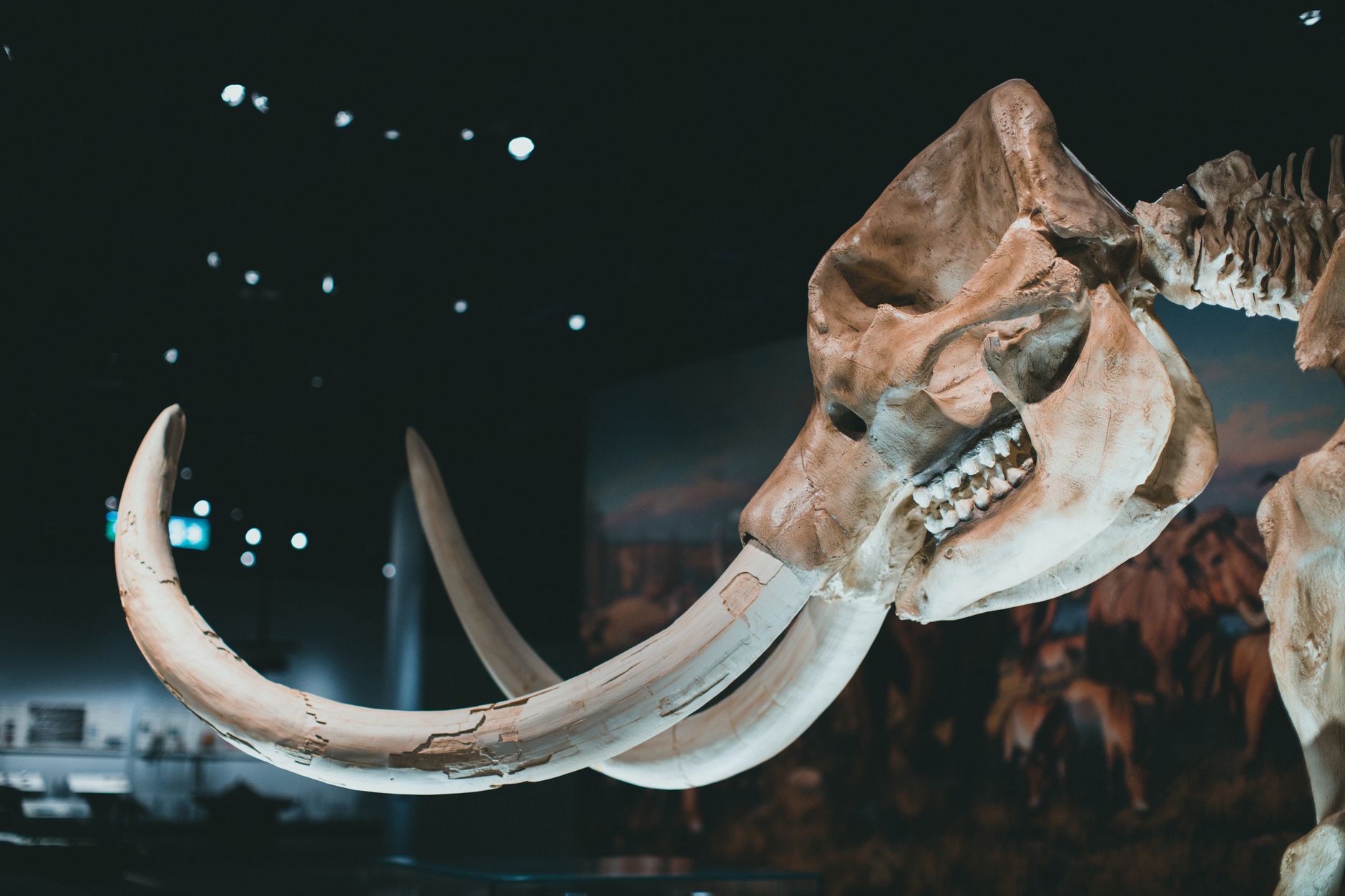
De-extinction impossible is a claim made by scientists who argue that our understanding of extinction is flawed. This perspective challenges the feasibility of bringing back extinct species, reshaping the conversation around biodiversity.
Understanding De-Extinction
De-extinction refers to the complex process of reviving extinct species through advanced genetic techniques. However, many scientists argue that de-extinction is impossible, primarily because extinction itself is not as straightforward as it seems. When a species is declared extinct, it often represents the loss of not just an individual organism but a unique combination of genetic traits and ecological roles.
Understanding the intricacies of extinction involves recognizing several key factors:
- Genetic Diversity: Extinct species often possess unique genetic variations that cannot be replicated.
- Ecological Context: The environment in which a species thrived has likely changed, making reintroduction into the ecosystem difficult.
- Technological Limitations: Current technology may not be advanced enough to accurately recreate an extinct species’ genome.
Thus, while the idea of bringing back lost species is captivating, the consensus among experts is that de-extinction is impossible without fully understanding the complexities of extinction itself.
The Science Behind Extinction
The science behind extinction is complex and multifaceted, challenging the notion that de-extinction is a feasible endeavor. Many scientists argue that de-extinction is impossible because extinction is not merely the disappearance of a species; it involves intricate ecological, genetic, and evolutionary dynamics.
When a species goes extinct, it creates a ripple effect throughout its ecosystem, impacting various interdependent species. This leads to a loss of biodiversity that cannot simply be reversed. Furthermore, the genetic material required for successful de-extinction may not be viable, as DNA degrades over time, making it difficult to recreate a species accurately.
- Genetic Diversity: Extinct species often have unique genetic traits that cannot be replicated.
- Ecological Roles: The absence of a species can alter food webs and ecosystem processes.
- Habitat Changes: Environments where extinct species thrived may no longer exist.
Thus, many experts conclude that de-extinction is impossible, as it overlooks these critical aspects of extinction and its lasting impacts on our planet.
Why Extinction Matters
Extinction is often perceived as a finality in the natural world, but its implications are profound and multifaceted. Understanding why extinction matters is crucial to the ongoing debate about de-extinction being impossible.
Firstly, extinction disrupts ecosystems. Each species plays a unique role, and the loss of one can lead to a cascade of negative effects on others. This interdependence highlights the fragility of our ecosystems.
Secondly, the genetic diversity lost through extinction cannot be easily replicated. This diversity is essential for adaptability and resilience in changing environments. Without it, the survival of remaining species is jeopardized.
Moreover, the concept of de-extinction raises ethical questions. It challenges our responsibilities towards conservation and the preservation of existing species. If we believe de-extinction to be impossible, we might shift our focus to protecting those still with us.
- Ecological Balance: Essential for a healthy environment.
- Genetic Diversity: Key to adaptability.
- Ethical Considerations: Responsibilities in conservation.
Challenges in Reviving Species
The quest for de-extinction raises numerous challenges that scientists must address. One significant hurdle lies in the complexity of genetics. Reviving a species involves not just cloning its DNA but also recreating the ecological and evolutionary conditions that allowed it to thrive.
Moreover, the concept of de-extinction is often complicated by ethical considerations. The potential consequences of reintroducing species into environments that have changed drastically over time pose risks to existing ecosystems.
Another challenge stems from the limited genetic material available for many extinct species, making it difficult to find viable DNA for revival. The idea that de-extinction is impossible has gained traction as researchers highlight the intricate web of interdependencies in ecosystems, suggesting that simply bringing back a species does not guarantee its success.
In summary, the challenges in reviving species underscore the complexities of de-extinction and the reasons scientists are increasingly skeptical about its feasibility.
Ethical Considerations of De-Extinction
The concept of de-extinction raises significant ethical questions that are often overlooked in the excitement of scientific advancement. As researchers explore the possibility of reviving extinct species, it is crucial to consider the implications of such actions.
One of the primary concerns is the potential impact on current ecosystems. Introducing a species that has been extinct for centuries may disrupt the delicate balance of existing flora and fauna. Additionally, there is the question of animal welfare, as revived species may struggle to adapt to modern environments.
Moreover, the notion that de-extinction is impossible is supported by the idea that extinction isn’t merely a biological event but also a complex interplay of historical and ecological factors. This raises the ethical dilemma of whether humanity has the right to intervene in natural processes.
In light of these considerations, many argue for a focus on conservation efforts rather than attempting to bring back species that have been lost, reinforcing the belief that de-extinction is impossible in a meaningful sense.
The Role of Genetic Engineering
Genetic engineering plays a crucial role in the ongoing debate about de-extinction. By manipulating DNA, scientists aim to resurrect extinct species by using closely related living organisms as genetic templates. This process, however, is not without its hurdles.
One major challenge is the complexity of genomes. Extinct species often have unique genetic traits that cannot be easily replicated or fully understood. Moreover, the environments these species once inhabited have changed significantly, making it difficult to determine if they could survive even if brought back to life.
Furthermore, the idea that de-extinction is impossible stems from the notion that extinction is not simply a linear process. It involves intricate ecological dynamics that genetic engineering alone cannot address. Thus, while the advancements in genetic technology offer hope, they also highlight the limitations of our current understanding, reinforcing the argument that de-extinction may indeed be impossible.
In conclusion, while genetic engineering holds potential, it cannot fully bridge the gap between the past and present.
Future of Biodiversity
The future of biodiversity hangs in a delicate balance, with the concept of de-extinction raising complex questions. As scientists delve deeper into the intricacies of extinction, they argue that de-extinction is impossible—not merely due to technical limitations, but because extinction is often misunderstood.
Many species are not just lost to time; their ecosystems, relationships, and the environmental contexts that supported them have also vanished. This reality emphasizes that reviving a species does not guarantee its survival in a changed world. The focus on de-extinction impossible highlights the need to prioritize conservation efforts for existing species rather than chasing the unattainable.
Furthermore, the challenges of creating viable populations from limited genetic material and the potential ecological repercussions add layers of complexity. Experts advocate for a shift in strategy, promoting the preservation of biodiversity through habitat protection and sustainable practices as a more effective approach to maintaining the planet’s health.
- Focus on conservation rather than de-extinction
- Understand the interplay of ecosystems
- Prioritize habitat protection
Expert Opinions on De-Extinction
Experts in the field of conservation and genetics have weighed in on the contentious topic of de-extinction. Many argue that the concept of reviving extinct species is fraught with challenges that may render it impossible. According to Dr. Emily Hart, a leading biologist, “De-extinction oversimplifies the complex web of ecosystems and relationships that existed before a species went extinct.”
Another viewpoint comes from Dr. Raj Patel, a geneticist who emphasizes the limitations of current technology. He states, “Even if we can recreate a species genetically, we cannot recreate its original environment or the ecological role it played.”
These expert opinions highlight a crucial aspect of the de-extinction debate: the notion that extinction isn’t merely a biological event but a profound ecological shift. As many scientists caution, the idea that de-extinction is impossible should prompt deeper reflection on our responsibilities to current species and ecosystems.
In summary, while the dream of bringing back the woolly mammoth captivates the imagination, the reality is far more complicated.
Many scientists argue that while the concept of de-extinction is fascinating, it raises ethical questions that make de-extinction impossible in practice. Furthermore, the technological and ecological challenges involved often lead to the conclusion that de-extinction impossible may be a more realistic perspective than an optimistic belief in resurrecting extinct species.
Photo by Jonathan Cooper on Pexels