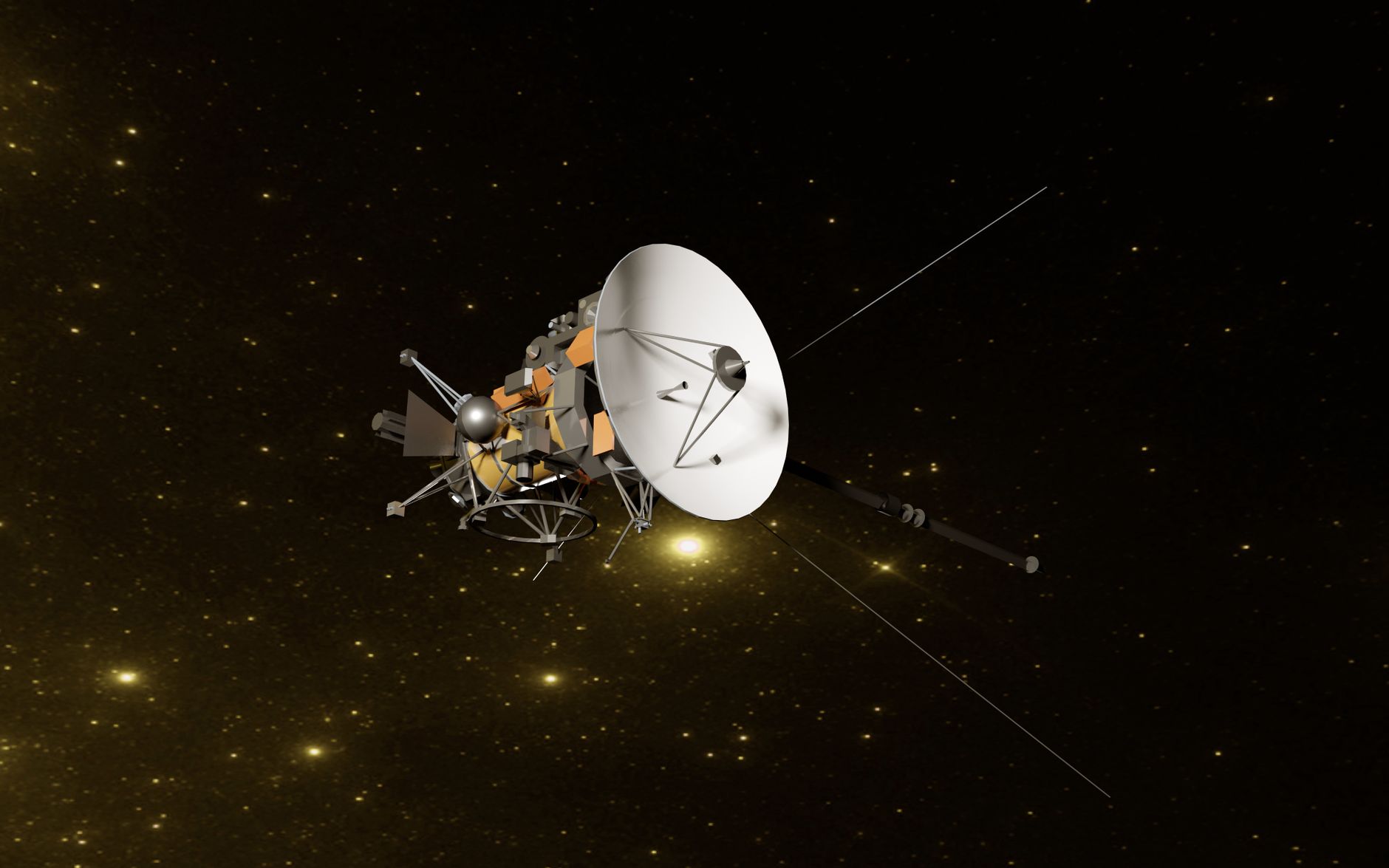
Lost Soviet probe theories are gaining traction as a mysterious object moves through space. NASA has weighed in on this intriguing possibility, sparking curiosity among scientists and space enthusiasts alike.
What is the Mysterious Object?
The mysterious object moving through space has captured the attention of scientists and space enthusiasts alike. Experts suggest that this celestial body may be a lost Soviet probe, a remnant from the era of intense space exploration during the Cold War. The probe, which is currently on an unusual trajectory, raises questions about its origins and purpose.
NASA has weighed in on the theory, providing insights into the object’s characteristics. According to their analysis, the object exhibits properties typical of older spacecraft, possibly dating back to the 1970s or 1980s. This time frame aligns with the peak of Soviet space missions, further fueling speculation that it could indeed be a lost Soviet probe.
Key points regarding the mysterious object include:
- Unusual Trajectory: The object’s path deviates from standard orbital patterns, prompting further investigation.
- Historical Context: It may be linked to past Soviet missions, which often involved launching various probes into space.
- Scientific Interest: Understanding its composition and history could provide valuable insights into past space exploration efforts.
As researchers continue to study this enigmatic object, the possibility of it being a lost Soviet probe remains an intriguing aspect of its story.
NASA’s Involvement in the Investigation
NASA has taken a keen interest in the investigation of the mysterious object that some believe to be a lost Soviet probe. According to experts at the agency, the object could offer valuable insights into the history of space exploration during the Cold War era.
In recent statements, NASA officials outlined their approach to studying the object, emphasizing the importance of gathering as much data as possible. They are utilizing a variety of tools, including telescopes and radar, to track the object’s trajectory and determine its origins.
Several key points highlight NASA’s involvement:
- Data Collection: NASA is collaborating with international space agencies to collect observational data that could confirm the object’s identity.
- Historical Context: Scientists are examining records of Soviet space missions to identify potential candidates for the lost Soviet probe.
- Public Interest: The agency recognizes the public’s curiosity surrounding the object and aims to keep the community informed through updates and findings.
The outcome of this investigation could not only clarify the object’s origins but also enhance our understanding of the space race and its enduring legacy. As NASA continues its analysis, the world watches closely for any revelations regarding the lost Soviet probe.
Historical Context of Lost Soviet Probes
The exploration of space during the Cold War era was marked by intense competition between the United States and the Soviet Union. This period saw numerous missions launched by both superpowers, many of which have since been lost to time. Among these, the category of lost Soviet probes has captured the imagination of historians and space enthusiasts alike.
During the 1960s and 1970s, the Soviet Union launched a series of spacecraft aimed at exploring our solar system, some of which have become infamous for their mysterious fates. The inability to track or recover these probes has led to speculation regarding their current locations and status. As interest in space exploration has surged, these lost Soviet probes have been revisited, with renewed investigations into their trajectories and potential remnants.
Furthermore, advancements in technology and our understanding of orbital mechanics have allowed scientists to identify and study objects that were previously overlooked. This has led to a growing body of evidence suggesting that one such object could indeed be a lost Soviet probe. As such theories develop, they provide new insights into the legacy of Soviet space exploration and the artifacts that may still roam the cosmos.
Expert Opinions on the Theories
Experts in the field of space exploration have shared their insights regarding the recent discovery of the lost Soviet probe, which has sparked considerable interest among scientists and enthusiasts alike. Many theorists posit that the object, initially dismissed as space debris, may indeed be a remnant of the Soviet space program from the late 20th century.
- Dr. Elena Petrov: An astrophysicist at the Space Research Institute, she suggests that the probe could provide invaluable data about the conditions it has encountered during its journey. “If it’s truly a lost Soviet probe, it could have unique instrumentation that we have not seen in decades,” she remarked.
- Dr. Marcus Chen: A space historian noted, “The implications of recovering or studying a lost Soviet probe are immense. We could learn a lot about the technologies they developed and the challenges they faced.”
- Dr. Linda Reyes: A planetary scientist emphasized the potential for new discoveries. “Understanding this object could reshape our knowledge of space missions from that era and their long-term impacts on our current explorations,” she explained.
The ongoing investigation by NASA and other space agencies aims to uncover the truth behind this intriguing find, as scientists eagerly await further data that could confirm the lost Soviet probe theory.
Public Reaction to the News
The recent revelation regarding the lost Soviet probe has sparked a wave of public interest and debate across various platforms. Many individuals are expressing their thoughts through social media, sharing theories and speculating about the probe’s origin and purpose.
Participants in online discussions have highlighted a mix of excitement and skepticism. Some enthusiasts argue that this discovery could lead to significant advancements in our understanding of space exploration, while others remain cautious, questioning the credibility of initial reports. The following points summarize the most common reactions:
- Curiosity: Many people are intrigued by the idea of a Soviet probe still orbiting in space, wondering about the data it may contain.
- Fear: Some express concern over the potential implications of an uncontrolled object in orbit, pondering its effects on current satellites.
- Historical Significance: A number of individuals appreciate the historical context and are eager to learn more about the Cold War era and its space race.
- Scientific Mission: Others are hopeful that this lost Soviet probe might provide valuable insights into past missions that could benefit future explorations.
As the investigation continues, public fascination with this mysterious space object shows no signs of waning.
Future of Space Exploration
The future of space exploration is increasingly intertwined with the mysteries of past missions, including the ongoing investigation into the lost Soviet probe. As new technologies emerge, scientists are better equipped to analyze and track objects that traverse our solar system. This advancement poses exciting possibilities for understanding the history of space exploration and the artifacts left behind by previous missions.
Continued interest in objects like the lost Soviet probe fuels discussions about the role of international collaboration in space. As nations work together to unravel the secrets of these ancient spacecraft, there is potential for shared knowledge and resources, which can lead to groundbreaking discoveries.
Moreover, the investigation into such mysterious space objects highlights the importance of preserving our space heritage. Efforts to catalog and study these relics can provide valuable insights into technological advancements and failures of past missions. The potential to recover or even salvage materials from the lost Soviet probe presents an opportunity to learn from history while paving the way for future explorations.
As we continue to explore the cosmos, the lessons learned from lost probes will undoubtedly influence our approach to future missions, ensuring that humanity’s quest for knowledge is informed by the trials of the past.
How This Affects Current Missions
The discovery of the lost Soviet probe has significant implications for current space missions. As agencies around the world push the boundaries of exploration, understanding this mysterious object could reshape protocols and strategies for future endeavors.
Firstly, the presence of a lost Soviet probe in proximity to active missions raises safety concerns. Space agencies must evaluate how to navigate around this unidentified object to avoid potential collisions. This could lead to enhanced tracking systems and more robust communication between international space programs.
Moreover, the investigation into the lost Soviet probe could spark renewed interest in historical missions, prompting agencies to reassess old data and technologies. This could lead to innovative approaches that incorporate lessons learned from the past.
Additionally, as scientists study the probe, they may uncover valuable information about the technology used during the Soviet era. This knowledge could influence the design and functionality of upcoming spacecraft.
In this context, collaboration between NASA and other space agencies may intensify, fostering a spirit of unity in addressing challenges posed by both historical and contemporary space objects.
Ultimately, the implications of the lost Soviet probe extend beyond mere curiosity, potentially shaping the future landscape of international space exploration.
Conclusion: What We Know So Far
In conclusion, the investigation into the lost Soviet probe has captivated both scientists and the public alike. As we piece together the information gathered so far, several key insights emerge:
- Identification: While definitive identification remains elusive, evidence suggests that the object may indeed be a remnant of a Soviet space mission.
- Historical Significance: Understanding the origins of this mysterious object sheds light on the ambitious space endeavors of the Soviet Union during the Cold War.
- Scientific Inquiry: NASA’s involvement highlights the importance of collaboration in the scientific community, as experts from various fields work together to analyze the probe’s trajectory and composition.
- Public Interest: The fascination surrounding the lost Soviet probe has sparked widespread interest, prompting discussions on the future of space exploration and the legacy of past missions.
- Future Implications: The findings from this investigation may influence how current and future missions approach the challenges of tracking and understanding space debris.
As we await further developments, it is clear that the story of this lost Soviet probe is far from over, and its mysteries continue to unfold.
Photo by Paul Seling on Pexels