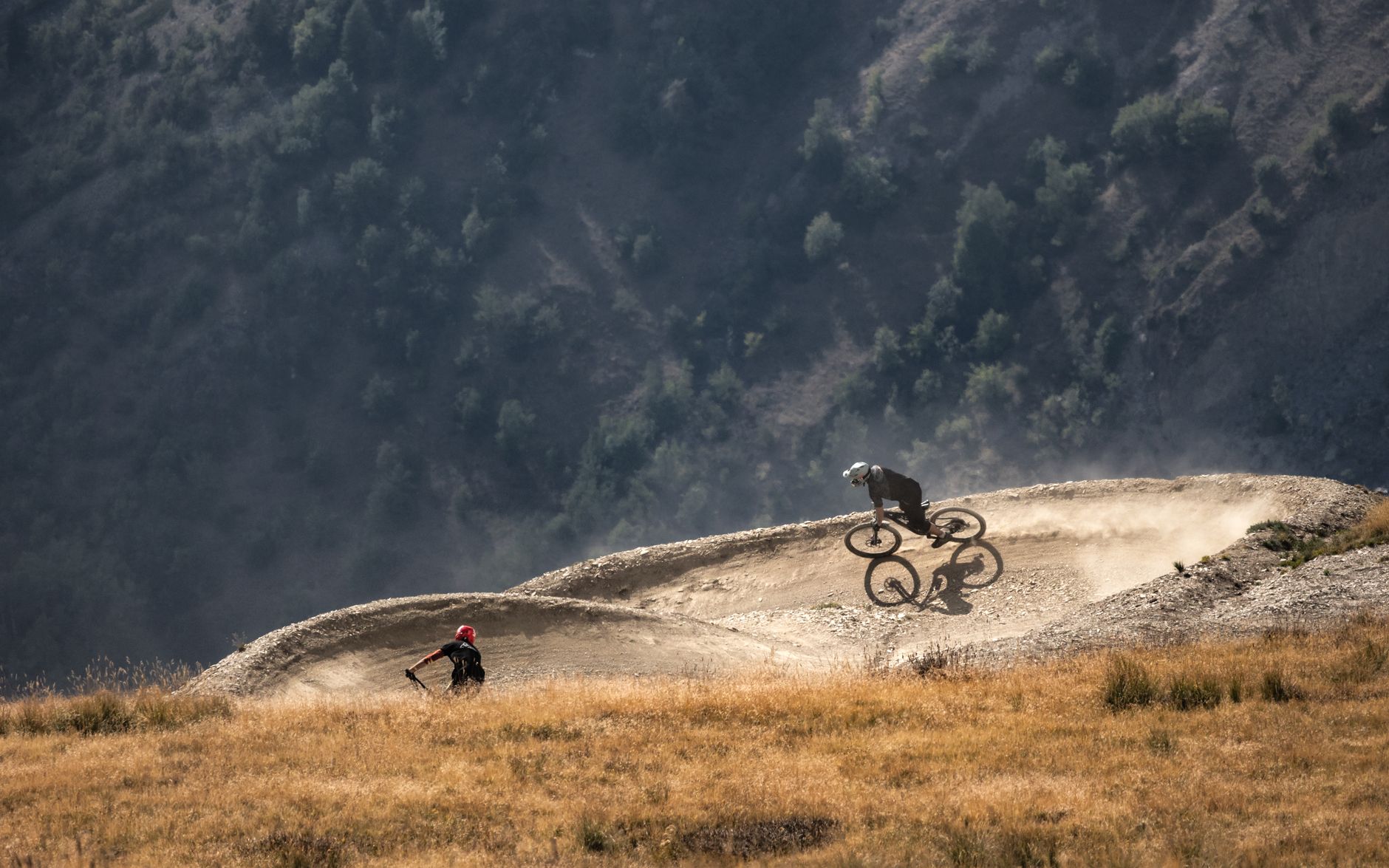
Dumbing down trails is a concerning trend in the mountain biking community. Many enthusiasts believe that altering trail difficulty undermines the sport’s integrity and challenges.
The Impact of Trail Changes on Riders
The recent trend of dumbing down trails has significant consequences for mountain bikers of all skill levels. As more trails are modified to accommodate less experienced riders, the essence of the sport may be lost. This shift impacts not only the challenging aspects of riding but also the overall experience of the community.
One major effect of these changes is the potential decline in rider skills. When trails are simplified, riders may not push their limits or develop the technical abilities needed for more challenging terrain. This can create a cycle where new riders become accustomed to easier trails and may struggle when faced with more demanding rides in the future.
Additionally, dumbing down trails can lead to a lack of variety in riding experiences. Many seasoned riders seek out obstacles and challenges that test their capabilities, and the removal of these elements can result in a monotonous landscape. It’s essential for trail designers to strike a balance, ensuring that all riders can enjoy the sport without sacrificing the thrill that comes from tackling diverse and challenging trails.
Why Trail Difficulty Matters
Trail difficulty is a crucial aspect of mountain biking that can profoundly affect riders’ experiences and skills development. When trails are designed with varying levels of difficulty, they cater to a broader range of abilities, allowing both beginners and advanced riders to enjoy the sport.
However, the trend of dumbing down trails poses significant risks:
- Skill Development: Riders need challenges to improve their skills. Without technical elements, beginners may miss opportunities to learn essential biking techniques.
- Community Impact: Experienced riders may feel alienated if trails become overly simplified, potentially leading to a decline in the sport’s community engagement.
- Trail Quality: Simplifying trails often results in uninspiring routes that lack the natural features that make mountain biking thrilling.
- Safety Concerns: Ironically, less challenging trails can lead to accidents as riders may take unnecessary risks, believing the terrain is less hazardous.
Maintaining a diverse range of trail difficulties is essential for the growth and enjoyment of mountain biking. It ensures that riders of all levels can safely challenge themselves while fostering a vibrant biking community.
Community Reactions to Dumbing Down Trails
The mountain biking community has reacted strongly to the trend of dumbing down trails, expressing concern over the implications for both riders and the sport itself. Many enthusiasts believe that altering trails to create easier routes undermines the challenge that attracts them to mountain biking.
Comments from local riders highlight a range of perspectives:
- Safety Concerns: Some argue that easier trails can lead to complacency, increasing the risk of accidents when riders encounter more challenging terrain unexpectedly.
- Loss of Skill Development: Experienced bikers worry that consistently simplified trails prevent newcomers from developing essential skills, which can lead to frustration down the line.
- Community and Culture: Many riders feel that dumbing down trails diminishes the camaraderie and spirit of adventure that defines the mountain biking community.
Ultimately, the backlash against this trend reflects a deep-seated passion for the sport, with many advocating for a return to trails that challenge riders while still being accessible to beginners.
The Future of Mountain Biking Trails
The future of mountain biking trails is increasingly uncertain, largely due to the trend of dumbing down trails. This shift towards easier, less challenging paths raises concerns among enthusiasts who value the sport’s adventurous spirit.
As trail builders and park managers prioritize accessibility, many fear that the essence of mountain biking is being compromised. The thrill of navigating complex terrain and overcoming obstacles is becoming less common, resulting in a homogenized biking experience that may deter skilled riders.
In response to this trend, several advocacy groups are working diligently to preserve trail diversity. They emphasize the importance of maintaining a range of difficulty levels to cater to various skill sets. Some key points in the discussion include:
- Encouraging Skill Development: Challenging trails help riders improve their skills and confidence.
- Preserving Adventure: Maintaining technical trails keeps the spirit of exploration alive.
- Community Engagement: Involving local riders in trail planning fosters a sense of ownership and responsibility.
Ultimately, the future of mountain biking trails should reflect a balance between accessibility and challenge, ensuring that the sport remains exciting for all riders.
Expert Opinions on Trail Design
Experts in the mountain biking community express significant concern regarding the trend of dumbing down trails. Many believe that this movement compromises not only the thrill of the sport but also the skills development of riders.
- Dr. Emily Thompson, a well-known trail designer, states, “Reducing trail difficulty might seem like an inclusive approach, but it often leads to a loss of the unique challenges that define mountain biking.”
- Mark Rodriguez, a competitive rider and coach, adds, “When trails are simplified, we are robbing new riders of the opportunity to grow and learn. It’s essential to balance accessibility with challenge.”
- Linda Chen, a recreational rider, suggests, “Trail design should cater to a variety of skill levels without resorting to dumbing down trails. There are ways to make challenging sections safer while preserving their integrity.”
These experts urge trail builders and park managers to reconsider their approach, advocating for a design philosophy that promotes skill development while still being welcoming to newcomers. As the conversation continues, the future of mountain biking trails hangs in the balance.
How to Advocate for Trail Integrity
Advocating for trail integrity is essential in combating the trend of dumbing down trails. Here are some effective strategies to promote the preservation of trail quality:
- Engage with Local Trail Organizations: Join or support organizations dedicated to maintaining and improving mountain biking trails. These groups often have the resources and influence to advocate for proper trail design.
- Educate Fellow Riders: Share information about the importance of trail difficulty and the negative effects of making trails easier. Engaging discussions can help build a community that values challenging terrains.
- Participate in Trail Maintenance: Volunteer for trail work days and contribute to maintaining existing trails. This hands-on approach fosters a deeper appreciation for the original trail design and its challenges.
- Communicate with Local Authorities: Reach out to land managers and express your concerns about proposed trail changes. Advocate for maintaining the natural features that make trails unique and challenging.
By taking these steps, mountain bikers can help preserve the integrity of trails and resist the trend of dumbing down trails, ensuring a vibrant riding experience for future generations.
Photo by Marek Piwnicki on Pexels
Sources
EA UFC 6 Patch Notes: The Best Ground Game Changes Revealed · Titan Quest II release date: The Best News for Gamers · Brahma AI funding: Is it the best investment opportunity?