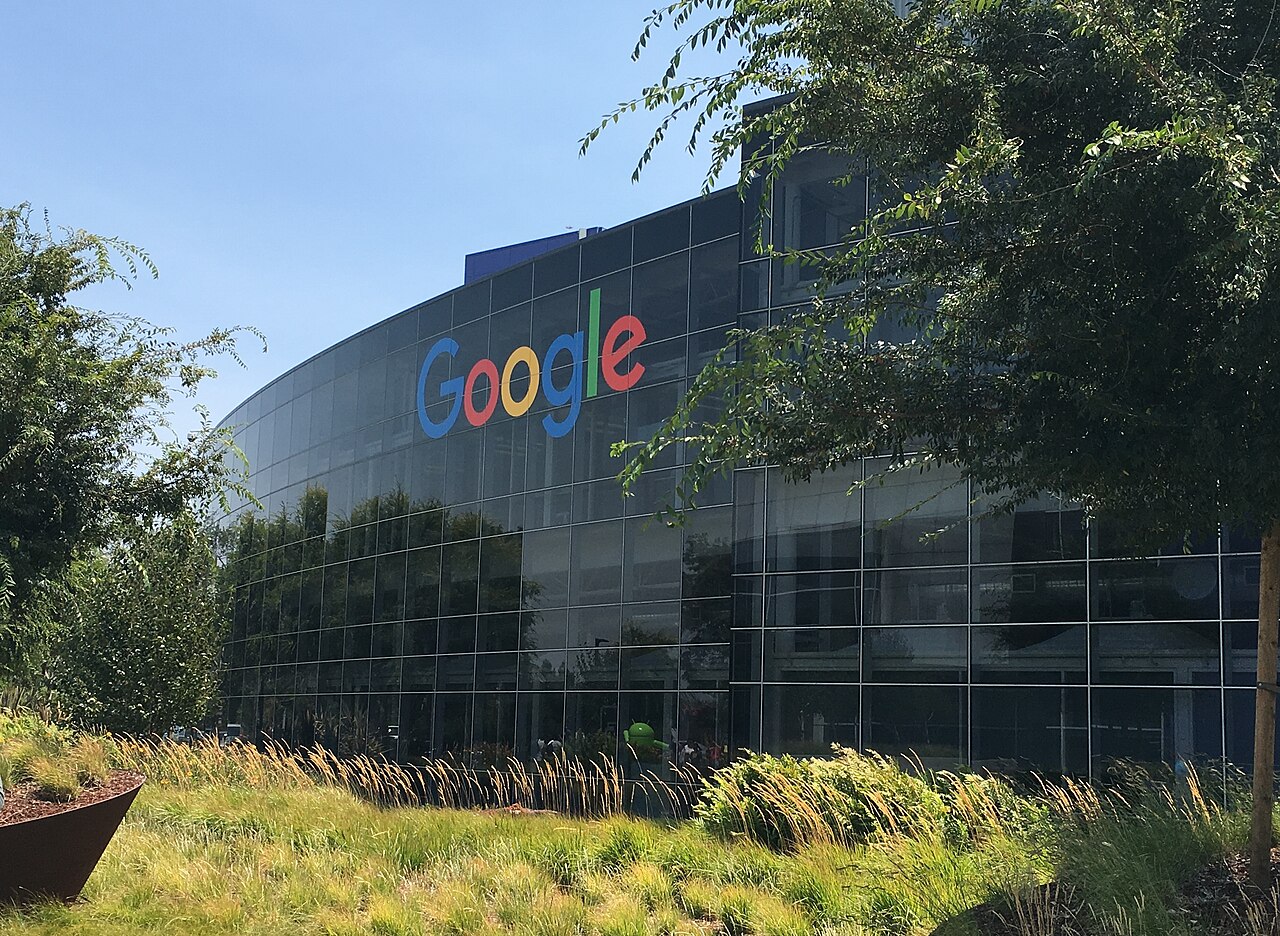
Old Google has become a nostalgic topic among users who reflect on their search experiences in the age of AI. Many express a longing for its simplicity and effectiveness.
The Evolution of Google Search
In recent years, many users have expressed nostalgia for old Google, reflecting a significant shift in how search engines operate. The evolution of Google Search has transformed it from a simple tool for finding information to a complex system driven by artificial intelligence.
Initially, Google offered straightforward search results based on keyword relevance, allowing users to quickly locate the information they needed. This simplicity was appreciated by many, as it provided a direct route to answers without unnecessary complications.
However, as technology advanced, Google began incorporating AI algorithms to enhance user experience. While this evolution aimed to provide more personalized results, many users feel that it has led to a more cluttered and less reliable search experience. The introduction of features such as featured snippets and knowledge panels has changed how information is displayed, often prioritizing certain content over others.
As a result, users have reported feeling overwhelmed by the sheer volume of information presented, with many longing for the straightforwardness of old Google. The focus on AI has also raised concerns about the accuracy and bias of search results, leading some to question whether the advancements in technology have truly improved the way they search.
In summary, the evolution of Google Search reflects a broader trend in technology that prioritizes complexity over simplicity, leaving many to reminisce about the days of old Google.
Why Users Miss Old Google
Many users have expressed nostalgia for the days of old Google, citing various reasons for their longing for a simpler search experience. As artificial intelligence continues to shape the way we access information, the contrast with earlier versions of Google has become increasingly stark.
One major reason users miss the old Google is the straightforwardness of search results. In the past, users could quickly find relevant information without the clutter of ads and AI-generated content. Now, many feel overwhelmed by the plethora of options and suggestions that can lead them away from their original queries.
Additionally, the personalization features of modern search engines can feel intrusive. Users often reminisce about a time when they could perform a search without algorithms predicting their interests or tailoring results based on previous activity. This shift has left some feeling that their search experiences are no longer truly their own.
Another aspect that users lament is the loss of organic content. In the era of old Google, users often found genuine blog posts and articles that provided valuable insights. Now, many feel that the quality of content has diminished, with AI-generated responses lacking the personal touch and depth that human writers could offer.
In summary, the essence of old Google represents a more transparent and user-friendly approach to searching the internet, making many users yearn for its return.
AI’s Impact on Internet Search
The rise of artificial intelligence has fundamentally changed the way users interact with search engines, leading many to reminisce about the simplicity of old Google. In the past, users could rely on straightforward keyword searches that delivered relevant results without the noise of AI-generated content. Now, as AI algorithms dominate the search landscape, the experience has transformed dramatically.
Many users report feeling overwhelmed by the sheer volume of information presented to them. With AI-driven suggestions and personalized results, the traditional search process has become cluttered. Users often find themselves sifting through sponsored content and algorithmically crafted pages, which can obscure genuine, organic results. This shift has sparked a growing nostalgia for the uncomplicated nature of old Google.
Several factors contribute to this sentiment:
- Complexity of Results: AI often prioritizes relevance based on user data, leading to results that may not align with the user’s intention.
- Commercialization: The emphasis on paid advertisements has made it challenging for users to find unbiased information.
- Information Overload: The abundance of AI-generated content can dilute the quality of search results, making it harder to find what users truly seek.
As the internet continues to evolve, many hope for a return to the clarity and user-friendliness of old Google, where search results were straightforward and easy to navigate.
Comparing Old Google and Modern Alternatives
The transition from old Google to the current AI-driven search engines has sparked a significant debate among users about their search experiences. Many long-time users have expressed nostalgia for the simplicity and effectiveness of old Google, contrasting it with the complexities introduced by modern alternatives.
When comparing old Google and modern search engines, several key differences emerge:
- Search Results: Old Google was known for delivering straightforward, relevant results that addressed user queries directly. In contrast, modern alternatives often prioritize a mix of sponsored content and AI-generated suggestions that can overwhelm users.
- User Interface: The minimalist design of old Google allowed users to focus solely on their search. Today’s interfaces, however, frequently feature distractions such as ads and additional information panels, which can divert attention from the main search results.
- Personalization: While old Google offered some level of personalization, it did not rely heavily on user data. In the AI era, many search engines utilize extensive algorithms that tailor results based on user behavior, raising concerns about privacy and data security.
- Search Intent: Old Google excelled at understanding user intent with a few keywords. Modern alternatives sometimes struggle to interpret nuanced queries, leading to less accurate results.
As users navigate this evolving landscape, the sentiment remains clear: many still long for the reliability and simplicity of old Google.
User Experiences with AI Search
As the digital landscape shifts with the introduction of artificial intelligence, many users find themselves nostalgic for what they refer to as old Google. A recent survey revealed that a significant number of internet users are dissatisfied with current search experiences, often citing the simplicity and efficiency of the older version of Google.
Users expressed various concerns about the AI-driven search results, including:
- Overwhelming choices: Many users feel that AI algorithms provide too many options, making it difficult to find relevant information quickly.
- Lack of personalization: While AI aims to tailor results, some users argue that it misses the mark and fails to understand their unique preferences.
- Inconsistent accuracy: Several respondents noted that AI-generated answers can sometimes be misleading or incorrect, leading to frustration.
- Reduced creativity: Users lament that the intuitive search approach of old Google encouraged exploration and creativity, a feature they feel is absent in the AI era.
These experiences highlight a growing discontent among users who crave the straightforwardness of old Google. As artificial intelligence continues to shape the way we search for information, many are left wondering if the new landscape will ever recapture the ease of use and familiarity they once enjoyed.
Future of Search Engines
The future of search engines is poised to undergo significant transformations as users continue to express their nostalgia for the old Google. While AI-driven technologies promise to enhance search capabilities, many find themselves longing for the simplicity and effectiveness of the classic search experience.
As we look ahead, several key trends are likely to shape the landscape of search engines:
- User-Centric Design: There is a growing demand for search engines that prioritize user preferences and deliver personalized results without overwhelming them with options.
- Transparency in Algorithms: Users are increasingly interested in understanding how search algorithms work. A return to the straightforwardness of old Google could foster trust and user satisfaction.
- Enhanced Privacy Features: With rising concerns over data privacy, future search engines may focus on protecting user data while still providing relevant results.
- Integration of Diverse Sources: Users appreciate the diverse perspectives that come from varied sources. The old Google effectively aggregated information, and future search engines may strive to replicate this model.
As we navigate the era of AI-driven search, it is essential to remember the core principles that made old Google effective. Balancing innovation with the user experience will be crucial in shaping the search engines of tomorrow.
via Wikimedia Commons