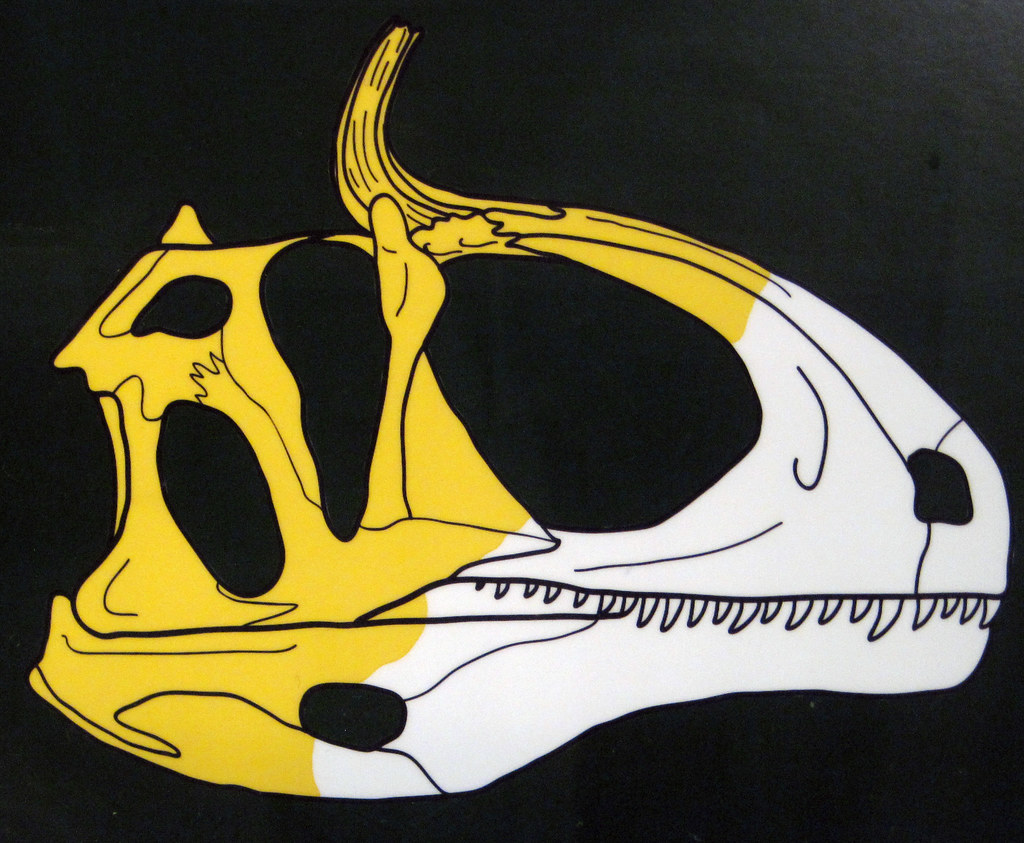
The feathered dinosaur discovery has captivated scientists and enthusiasts alike. Recently found in China, this giant dinosaur boasts massive claws and an impressive array of teeth.
What is the significance of the feathered dinosaur discovery?
The recent feathered dinosaur discovery in China has captivated both scientists and enthusiasts alike, offering new insights into the evolutionary link between dinosaurs and modern birds. This groundbreaking find is significant for several reasons.
- Evolutionary Insights: The presence of feathers suggests that many dinosaur species may have had feathers, challenging previous notions that they were exclusive to birds.
- Behavioral Implications: The size and structure of the dinosaur’s claws and teeth indicate adaptations that may have influenced its hunting and feeding behaviors, providing a glimpse into the life of these magnificent creatures.
- Ecological Context: Understanding the ecological role of such feathered dinosaurs sheds light on the biodiversity of the era and how these creatures interacted with their environment.
- Public Interest: Discoveries like this one spark public interest in paleontology and the importance of preserving fossil sites, ensuring future generations can learn from these remarkable finds.
Overall, the feathered dinosaur discovery not only enhances our understanding of dinosaur evolution but also ignites enthusiasm for ongoing research in the field.
How does this find change our understanding of dinosaurs?
The recent feathered dinosaur discovery has transformed our understanding of these ancient creatures in several ways. Firstly, it challenges the traditional perception of dinosaurs as scaly, reptilian beasts. Instead, the find suggests that feathers were more widespread among dinosaur species than previously believed.
This discovery highlights the evolutionary link between dinosaurs and modern birds, providing crucial evidence that feathers may have initially evolved for purposes other than flight, such as insulation or display. The presence of massive claws and numerous teeth in this particular specimen indicates a complex predatory lifestyle, which adds a new layer to our understanding of dinosaur behavior and ecology.
Moreover, paleontologists are now reevaluating the relationships among various dinosaur species, as this feathered dinosaur may imply a closer connection between some theropods and avian species. The implications of this find extend beyond one species; it encourages further exploration and research into the diversity of feathered dinosaurs and their roles in prehistoric ecosystems.
Ultimately, this feathered dinosaur discovery reshapes not only the narrative of dinosaur evolution but also our appreciation for the complexity of life in the Mesozoic era.
Details on the giant dinosaur’s features and habitat
Recent findings reveal that the newly discovered feathered dinosaur, unearthed in China, boasts several remarkable features that set it apart from its prehistoric relatives. This giant dinosaur is characterized by its impressive size, sharp claws, and a mouth filled with numerous teeth, indicating it was a formidable predator.
Researchers have identified its habitat as a lush, forested region, which likely supported a diverse ecosystem. The presence of feathers suggests that this dinosaur might have had some capability for insulation or display, further emphasizing its unique evolutionary adaptations.
- Size: The dinosaur is estimated to be significantly larger than most feathered dinosaurs previously discovered.
- Claws: Its massive claws are believed to have been used for both hunting and climbing.
- Teeth: The abundance of sharp teeth indicates a diet primarily consisting of smaller animals.
- Feathers: The discovery of feathers adds a new dimension to our understanding of the role feathers played in dinosaur life.
Overall, this feathered dinosaur discovery not only enhances our knowledge of these ancient creatures but also raises intriguing questions about their behavior and adaptations.
The implications of feathered dinosaurs for evolutionary biology
The recent feathered dinosaur discovery has profound implications for evolutionary biology, reshaping our understanding of the transition from dinosaurs to birds. This particular find highlights the evolutionary significance of feathers, suggesting they may have originally evolved for purposes beyond flight, such as insulation or display.
Research indicates that the presence of feathers in certain dinosaur species supports the idea of a gradual evolution of avian traits. This challenges long-held views that separate birds and dinosaurs into distinct categories. Instead, it reinforces the notion that birds are, in fact, modern-day dinosaurs, showcasing a continuum of characteristics.
Furthermore, the discovery provides essential insights into the environmental adaptations of these creatures, revealing how they thrived in their habitats. The giant dinosaur’s unique features, including its massive claws and numerous teeth, suggest a complex ecological role that contributes to our understanding of prehistoric ecosystems.
- Feathers: Indicate a multifaceted evolution.
- Ecological roles: Highlight diverse adaptations.
- Bird-dinosaur connection: Reinforces evolutionary links.
By James St. John via Openverse