The radio signal ancient universe has been detected, marking a significant breakthrough in our understanding of cosmic history. Scientists are excited about the implications of this discovery.
What is the Ancient Universe?
The concept of the ancient universe refers to the early stages of the cosmos, spanning from the Big Bang to the formation of the first stars and galaxies. This period, which occurred billions of years ago, is crucial for understanding the evolution of the universe as it set the foundation for all subsequent cosmic structures.
During this time, the universe was predominantly filled with hydrogen and helium, the simplest elements that emerged shortly after the Big Bang. As the universe expanded and cooled, these elements began to clump together under the influence of gravity, eventually leading to the creation of the first luminous objects.
Recent advancements in technology have allowed scientists to explore this era through various means, including the detection of radio signals. The recent discovery of a record-breaking radio signal from the ancient universe has provided invaluable insights, offering a glimpse into the conditions and processes that characterized this formative period. Such findings are not only groundbreaking but also enhance our understanding of how the universe has evolved over billions of years.
How Was the Radio Signal Detected?
Scientists have revealed the meticulous process behind the detection of a radio signal from the ancient universe, marking a significant milestone in astrophysical research. The discovery was made using sophisticated radio telescopes equipped to capture faint signals from deep space.
To successfully identify the radio signal, researchers employed a combination of advanced technology and innovative techniques, including:
- High-Sensitivity Instruments: The telescopes utilized were designed to detect weak signals, allowing astronomers to pick up on the faintest echoes from billions of years ago.
- Signal Processing Algorithms: Advanced algorithms helped filter background noise, isolating the ancient radio signal from other cosmic noise.
- Multiple Observations: The team conducted numerous observations over an extended period to ensure the signal was consistent and not a one-off event.
The culmination of these efforts led to the confirmation of the radio signal from the ancient universe, providing invaluable insights into the conditions that existed shortly after the Big Bang. This groundbreaking discovery opens new avenues for understanding the universe’s evolution.
Implications of the Discovery
The recent discovery of a radio signal from the ancient universe has profound implications for our understanding of cosmic history. This unprecedented finding not only challenges existing theories but also opens new avenues for research in astrophysics.
Firstly, the radio signal may provide insights into the conditions that existed shortly after the Big Bang. By analyzing its properties, scientists can learn more about the formation of the first stars and galaxies, enhancing our comprehension of how the universe evolved.
Additionally, this discovery raises questions about the nature of dark matter and dark energy, which remain some of the most enigmatic components of our universe. The signal could offer clues that help unravel these mysteries, potentially leading to groundbreaking advancements in theoretical physics.
Moreover, the implications extend to the search for extraterrestrial life. Understanding ancient signals can help refine methods for detecting similar phenomena, ultimately enhancing our capability to explore the cosmos.
In conclusion, the detection of a radio signal from the ancient universe is not just a remarkable achievement but a pivotal moment that could redefine our grasp of the universe’s origins and its fundamental components.
The Science Behind Radio Signals
The discovery of a radio signal from the ancient universe has sparked significant interest in the scientific community. To understand this phenomenon, it is essential to grasp the basics of radio signals and their origins.
Radio signals are electromagnetic waves that can traverse vast distances across space. These signals are often produced by celestial objects such as pulsars, galaxies, and quasars. The specific radio signal detected originates from a time when the universe was still in its infancy, offering a glimpse into a period that is otherwise shrouded in mystery.
Several factors contribute to the detection of these ancient signals:
- Advanced Technology: The use of sophisticated telescopes equipped with sensitive receivers allows scientists to capture faint signals from billions of light-years away.
- Cosmic Background Radiation: The lingering radiation from the Big Bang plays a crucial role in the study of ancient radio signals, providing context and a backdrop for these discoveries.
- Data Analysis: Cutting-edge algorithms and data processing techniques enable researchers to filter out noise and isolate potential signals of interest.
This radio signal from the ancient universe not only enhances our understanding of cosmic history but also challenges existing theories about the formation and evolution of galaxies.
Previous Discoveries in Space
Previous discoveries in space have paved the way for understanding the vastness and complexity of the universe. Notably, astronomers have long sought evidence of cosmic phenomena that can shed light on the early stages of the universe’s evolution.
One significant discovery was the detection of cosmic microwave background radiation, which provides a snapshot of the universe just 380,000 years after the Big Bang. This radiation offers insights into the conditions that prevailed during that time. Similarly, the identification of distant galaxies and their formation processes has helped scientists piece together the history of the cosmos.
Moreover, the observation of gravitational waves has opened up new avenues for exploring cosmic events, providing a deeper understanding of black holes and neutron stars. Each of these discoveries has contributed to the growing body of knowledge about the universe.
Now, with the recent detection of the radio signal from the ancient universe, researchers are excited about the potential implications for our understanding of cosmic evolution. This groundbreaking finding not only challenges our perceptions but also invites further investigation into the mysteries of space.
Experts Weigh In on the Findings
Experts in astrophysics and cosmology are buzzing with excitement following the recent discovery of a radio signal from the ancient universe. This unprecedented finding has sparked a lively discussion among researchers regarding its implications for our understanding of cosmic history.
According to Dr. Emily Tran, an astrophysicist at the Galactic Institute, “This radio signal offers a unique glimpse into the conditions of the early universe. It could help us piece together the timeline of cosmic evolution.”
Dr. Marcus Li, a prominent cosmologist, adds, “Detecting such a strong radio signal from the ancient universe is a game-changer. It challenges our previous notions about the formation of galaxies and stars.”
Experts are also considering how this discovery might enhance our knowledge of dark matter and dark energy. As Dr. Sofia Chen notes, “By analyzing the characteristics of the radio signal, we can gain insights into the mysterious components that govern the cosmos.”
Overall, the excitement surrounding this radio signal from the ancient universe reflects the broader scientific community’s eagerness to unravel the mysteries of the cosmos.
Future Research Directions
The recent discovery of a radio signal from the ancient universe opens up numerous avenues for future research. Scientists are eager to delve deeper into the implications of this finding and what it reveals about the early cosmos. Future research directions may include the following:
- Investigating the Source: Understanding where the radio signal originated can provide insights into the conditions of the early universe.
- Expanding Detection Techniques: Developing advanced technologies to detect similar signals could lead to more groundbreaking discoveries.
- Studying Cosmic Background Radiation: Researchers might explore how this radio signal interacts with the cosmic microwave background, potentially revealing new physics.
- Collaboration Across Disciplines: Interdisciplinary research involving astrophysics, cosmology, and radio astronomy is essential for a comprehensive analysis of findings.
- Public Engagement: Educating the public about the significance of studying radio signals from the ancient universe can foster greater interest in space science.
As scientists continue to analyze the implications of this radio signal, the future holds exciting potential for unraveling the mysteries of our universe.
Public Interest in Cosmic Signals
The recent discovery of a radio signal from the ancient universe has sparked immense public interest, drawing attention from both scientific communities and the general populace. As excitement builds, many are eager to understand the implications of this groundbreaking finding.
Social media platforms have become a hotbed for discussions around the potential meanings of these cosmic signals. Enthusiasts and skeptics alike are sharing theories, articles, and personal insights about what this signal could reveal about the universe’s early days. Public forums and educational webinars are also emerging, providing a space for experts to explain the significance of this discovery to a fascinated audience.
Moreover, the visual representations of the radio signal and its source have captured imaginations. Many are eager to learn how such distant phenomena can influence our understanding of astrophysics and the cosmos. As the narrative surrounding the ancient universe unfolds, it is clear that this radio signal is not just a scientific breakthrough but also a cultural phenomenon, igniting a deeper curiosity about our place in the universe.
The recent findings have shed light on the implications of the radio signal from ancient universe, suggesting that it may provide clues about the formation of early galaxies. Scientists are now eager to further analyze the characteristics of this radio signal ancient universe to unlock more secrets of cosmic history.
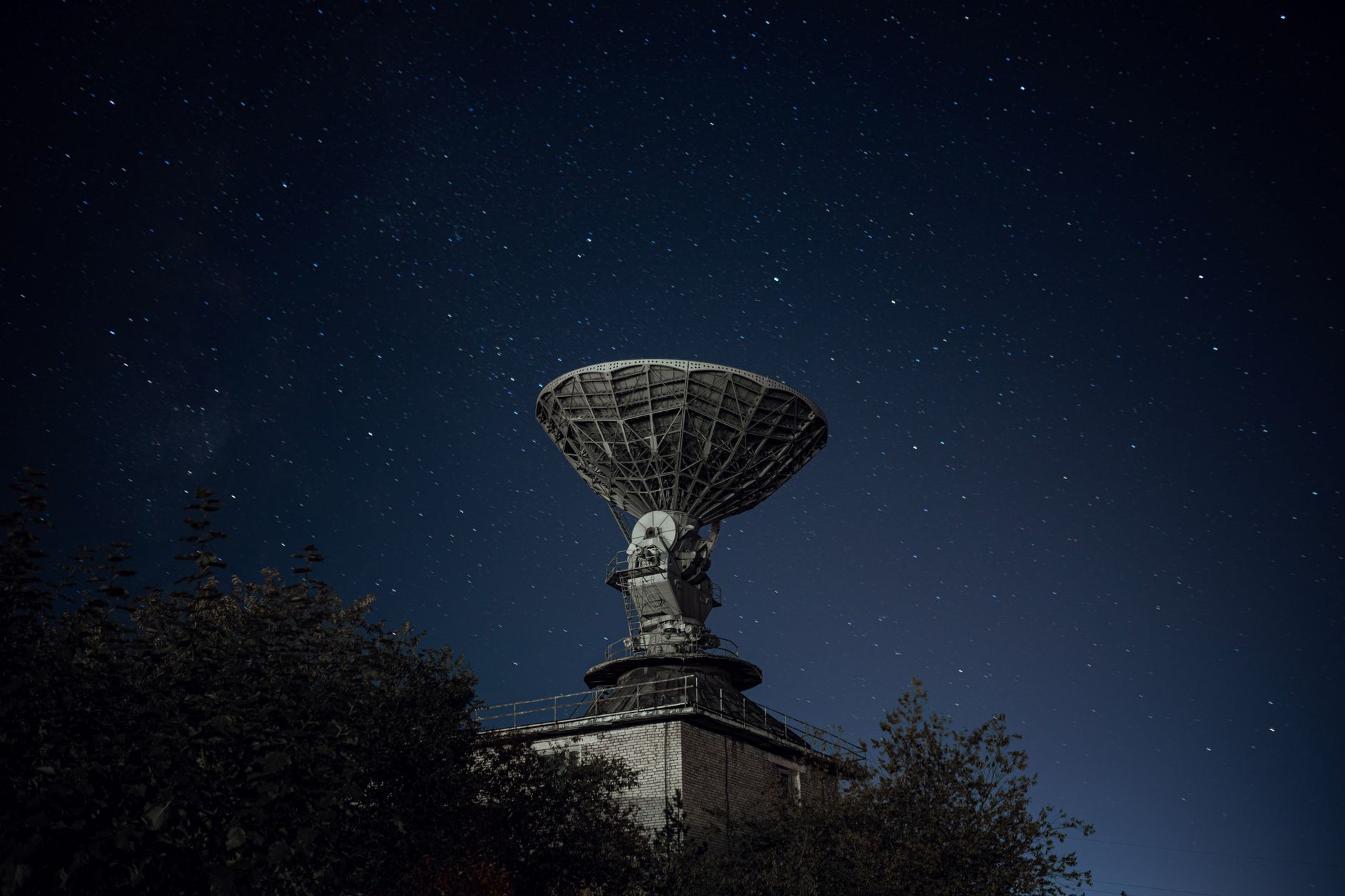
Photo by Igor Mashkov on Pexels
Read the original
You might also like
Fitbit Edge Wearable: The Best Smart Device for Fitness · Phantom Blade Zero: The Best Proven Action RPG Experience · Old Smartphones New Job: Proven Ways to Revitalize Tech