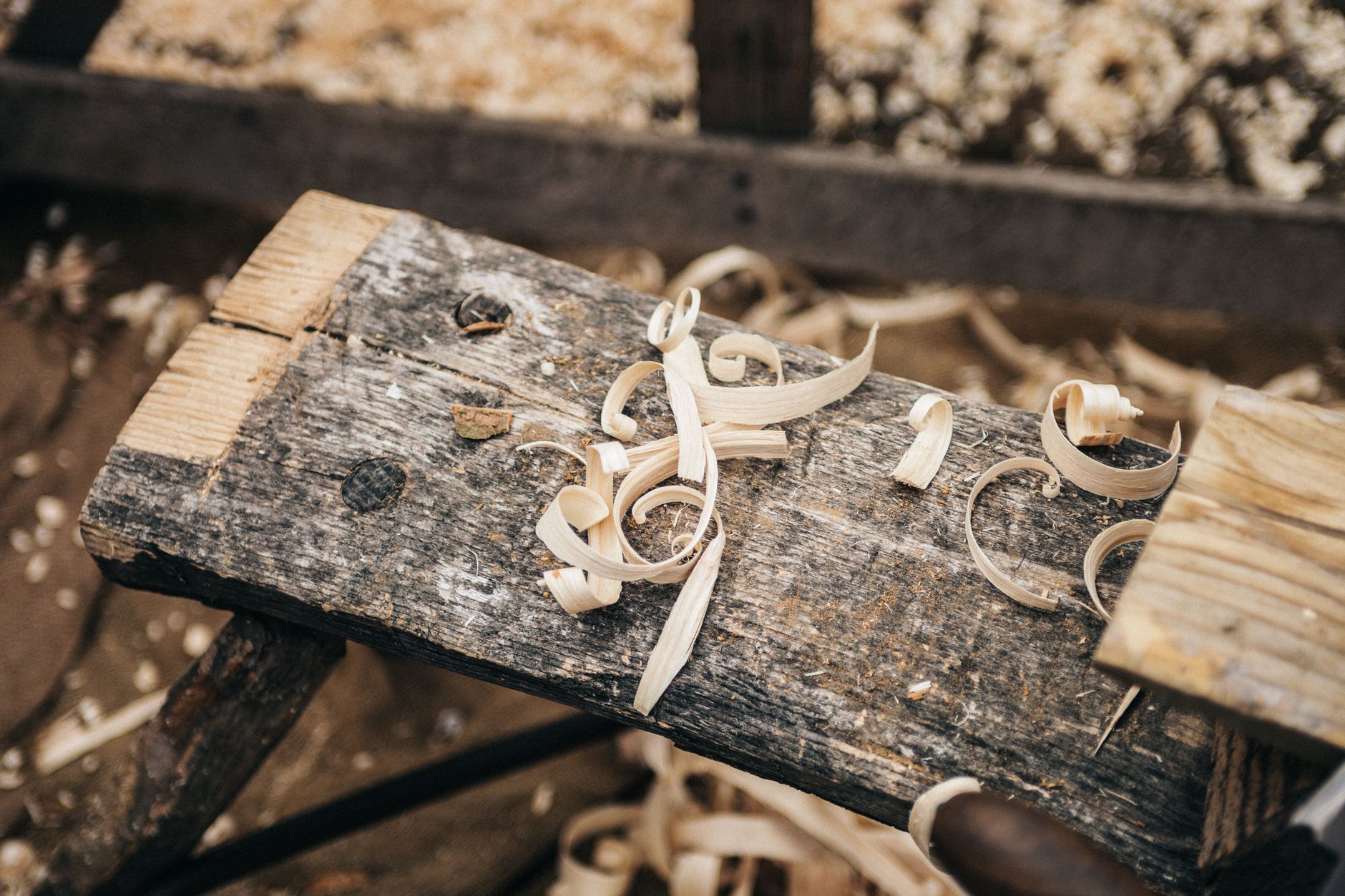
Neanderthal woodworking has shown us that their skills were far more advanced than we thought. A new study highlights their impressive techniques and craftsmanship.
The Evolution of Woodworking Techniques
The study of Neanderthal woodworking has revealed a remarkable evolution in their techniques that challenges previous assumptions about their capabilities. Archaeological findings suggest that these early humans not only created tools for survival but also engaged in complex woodworking activities.
Researchers have identified several proven techniques used by Neanderthals, indicating a sophisticated understanding of materials and methods. Key aspects of their woodworking practices include:
- Tool-making: Neanderthals crafted a variety of tools specifically designed for woodworking, including axes and chisels made from flint.
- Joinery: Evidence suggests they employed joinery techniques to assemble wooden structures, demonstrating advanced cognitive skills.
- Fire use: The strategic use of fire allowed Neanderthals to harden wooden tools, enhancing their durability and effectiveness.
- Material selection: Neanderthals exhibited a preference for specific types of wood, indicating knowledge of which materials were best suited for different tasks.
This newfound understanding of Neanderthal woodworking not only sheds light on their daily lives but also highlights their innovative spirit. As research continues, it becomes increasingly clear that Neanderthals possessed a level of sophistication previously underestimated, paving the way for future explorations into their cultural practices.
What New Research Reveals
Recent studies have shed light on the remarkable capabilities of Neanderthal woodworking, revealing that these ancient humans were far more skilled than previously believed. Researchers have discovered that Neanderthals employed a variety of sophisticated techniques to manipulate wood, which suggests a deeper understanding of the materials they worked with.
One of the most significant findings involves the use of tools that were specifically crafted for woodworking tasks. These tools, made from stones and other natural materials, demonstrate a complex approach to shaping and finishing wooden objects. The evidence indicates that Neanderthals were not merely using available resources, but were actively selecting and modifying tools to improve their woodworking efficiency.
Additionally, the study highlights the diverse range of objects created by Neanderthals, including:
- Spear shafts that required precise shaping for hunting.
- Simple wooden implements for daily tasks.
- Musical instruments that indicate a cultural aspect of their society.
This newfound appreciation for Neanderthal woodworking not only challenges previous assumptions about their cognitive abilities but also emphasizes the ingenuity of these ancient craftsmen. As researchers continue to explore this topic, the legacy of Neanderthal woodworking will undoubtedly be redefined.
Comparing Neanderthal and Modern Skills
Recent studies have illuminated the remarkable similarities between Neanderthal woodworking and modern techniques, challenging the long-held perception of Neanderthals as primitive. While Neanderthals lived thousands of years ago, their ability to manipulate wood reveals a sophisticated understanding of materials and tools.
One of the key similarities is the use of tool-making techniques. Both Neanderthals and modern humans employ similar methods to create functional wooden items. This includes:
- Shaping and carving: Neanderthals used sharp stone tools to carve wood, showcasing their fine motor skills.
- Joinery: Evidence suggests that Neanderthals may have practiced primitive forms of joinery, allowing for the construction of complex wooden structures.
- Surface treatment: Just as modern artisans sand and finish wood, Neanderthals likely smoothed surfaces to enhance functionality and aesthetics.
Moreover, the understanding of wood properties, such as grain direction and moisture content, appears to be a shared trait. This knowledge enabled both Neanderthals and contemporary woodworkers to select the right materials for specific tasks. The parallels in techniques underscore a continuum of woodworking skills, suggesting that Neanderthal woodworking practices were not just functional but also reflected a cultural appreciation for craftsmanship.
In summary, the exploration of Neanderthal woodworking reveals a complexity that was previously underestimated, bridging the gap between ancient and modern skills.
The Importance of Craftsmanship
The craftsmanship exhibited by Neanderthals in woodworking is a testament to their advanced cognitive abilities and adaptability. This skill was not merely a means of survival but also a reflection of their social complexity and cultural expression. Recent studies have shown that Neanderthal woodworking was far more advanced than previously thought, incorporating a range of techniques that highlight their ingenuity.
Neanderthals utilized a variety of tools made from stone to shape wood with precision. The methods they employed included:
- Flaking: This technique involved striking stone tools against wood to create sharp edges, allowing for more intricate designs.
- Carving: Evidence suggests that Neanderthals carved wooden objects, indicating a level of planning and foresight in their craftsmanship.
- Assembly: They were capable of joining pieces of wood together, pointing to their understanding of structural integrity.
These techniques not only provided functional tools and shelters but also allowed for artistic expression, as some wooden artifacts display decorative elements. Understanding Neanderthal woodworking sheds light on their daily lives and the skills that contributed to their survival in challenging environments. The importance of craftsmanship in their culture underscores the complexity of Neanderthal society and challenges previous notions of their capabilities.
Implications for Understanding Human History
Recent findings on Neanderthal woodworking have profound implications for our understanding of human history and the capabilities of our ancient relatives. These insights challenge the traditional view that sophisticated tool-making and craftsmanship were exclusive to anatomically modern humans.
Research indicates that Neanderthals possessed advanced woodworking skills, which were not only practical but also indicative of a complex social structure. This challenges the perception of Neanderthals as merely primitive beings. The techniques they employed suggest a higher level of cognitive ability and creativity than previously recognized.
The implications extend beyond woodworking to a broader understanding of Neanderthal culture and its evolution. By examining the tools and methods used in woodworking, researchers can infer aspects of Neanderthal life, including:
- Social organization: The sharing of skills among community members likely fostered collaboration and learning.
- Resource management: Effective woodworking techniques demonstrate an understanding of local materials and environmental adaptation.
- Cognitive complexity: The planning and execution of woodworking projects reveal advanced problem-solving abilities.
Overall, the study of Neanderthal woodworking offers a new lens through which to view our evolutionary history, highlighting the intricate skills and adaptability of a species that once thrived alongside early humans.
Photo by Clem Onojeghuo on Pexels
Read the original
Archaeology News Online Magazine
You might also like
OpenAI mathematical results: Proven breakthroughs in AI models · Is Data Center Regulation the Best Way to Ensure Safety? · AI Skilling Engineering Colleges: Is It the Best Investment?